
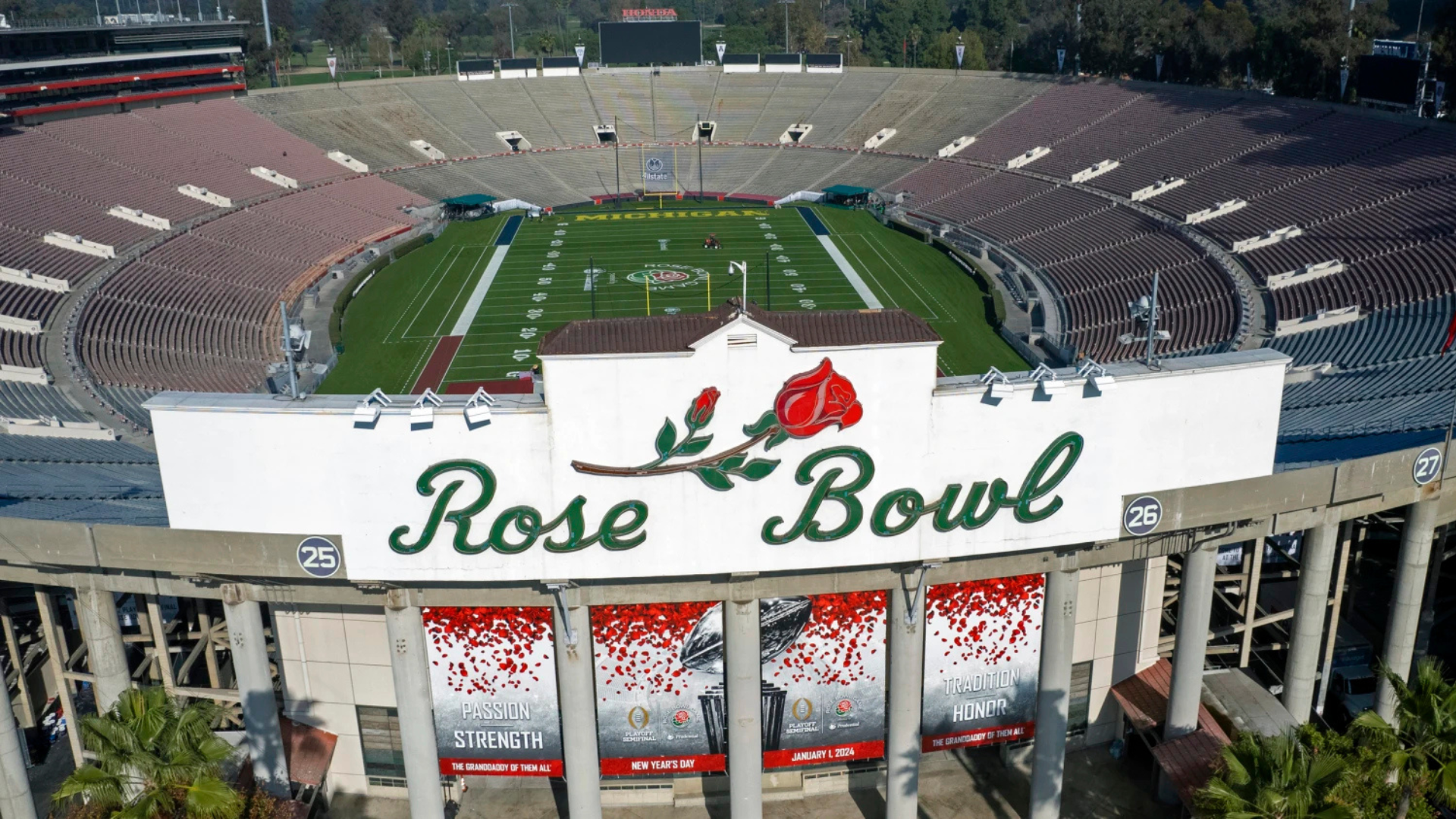
Few venues in American sport carry the prestige, history, and global recognition of the Rose Bowl. Located in Los Angeles, this iconic stadium has hosted legendary moments in college football, international tournaments, and once-in-a-generation events. But behind every unforgettable moment is something fans rarely notice unless it goes wrong: staffing.
Understanding how strategic sports staffing improves fan experience at the Rose Bowl is critical for event organizers, venue operators, and brands looking to elevate their presence in world-class sports stadiums. From entry gates to premium hospitality, staffing directly shapes how fans feel before, during, and after a bowl game or major event.
Table of Contents
The Rose Bowl’s Unique Event Environment
The Rose Bowl stadium is more than a venue—it’s a destination. Operated by the Rose Bowl Operating Company, the stadium regularly hosts large-scale events that attract diverse audiences, including the annual Rose Bowl Game, high-profile college football matchups, concerts, and international competitions.
Its location near the Brookside Golf Course and proximity to other historic venues like Pauley Pavilion create complex logistical demands. Every event requires precise coordination across parking, crowd flow, security, and guest services to protect the overall fan experience.
Strategic staffing ensures this complexity feels seamless to fans, not overwhelming.
Why Staffing Is Central to Fan Experience
A positive fan experience doesn’t start at kickoff—it begins the moment a ticket is scanned. Well-trained staff influence:
- Entry speed and security screening
- Wayfinding and seating assistance
- Concessions efficiency
- Guest problem resolution
- Premium and VIP service delivery
For a modern sports fan, expectations are higher than ever. Many compare their experience at the stadium to newer venues like SoFi Stadium or even entertainment destinations in Las Vegas. Staffing bridges the gap between historic charm and modern expectations.
Supporting High-Profile Sporting Events
The Rose Bowl has hosted events on the global stage, including the Super Bowl, the NFL Draft, and matches connected to the World Cup and FIFA World Cup. Each of these events attracts international visitors, elite athletes, media, and sponsors.
Strategic sports staffing helps by:
- Providing multilingual staff for international fans
- Training teams for broadcast-level professionalism
- Supporting enhanced security protocols
- Managing large crowds with confidence and consistency
When global eyes are on the stadium, staffing performance directly impacts reputation.
College Football and Bowl Game Excellence
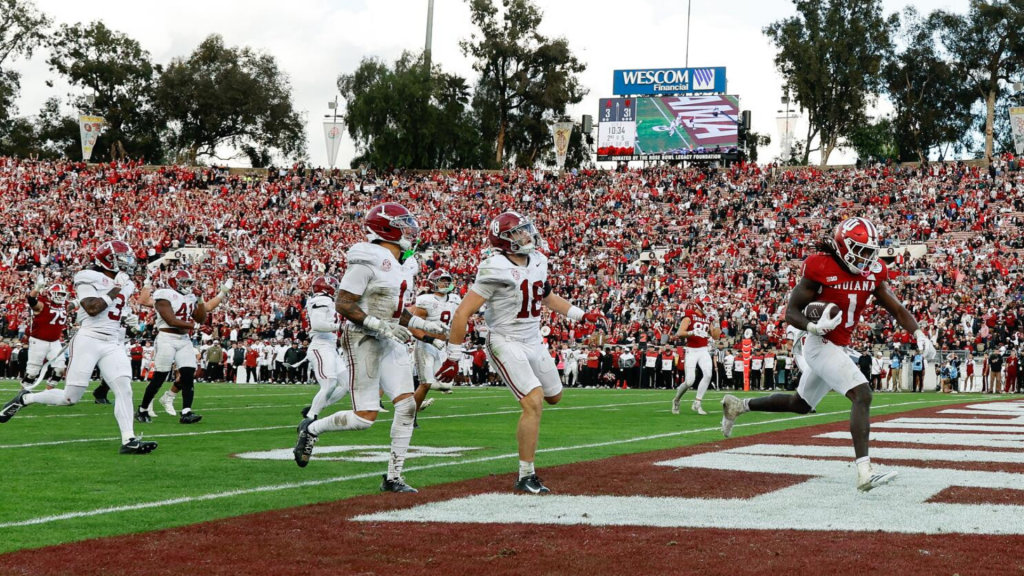
As the heart of college football tradition, the Rose Bowl hosts one of the most celebrated bowl game experiences in the sport. Matchups featuring teams like Notre Dame bring tens of thousands of loyal fans, alumni, and families.
Effective staffing enhances:
- Alumni and donor hospitality
- Student section coordination
- Crowd energy and safety
- Communication between staff and the head coach’s operations team
These details elevate the overall fan experience and reinforce the Rose Bowl’s legendary status in college athletics.
Premium Seating and Hospitality Matter More Than Ever
Modern revenue models rely heavily on premium seating, sponsorship lounges, and VIP experiences. These areas require specialized staffing with hospitality training—not just crowd control skills.
Strategic staffing in premium zones ensures:
- Personalized service for high-value guests
- Faster issue resolution
- Brand-aligned guest interactions
- Stronger post-event feedback
When premium guests feel valued, it improves both retention and fan engagement.
Fan Engagement Beyond the Stadium Seats
Today’s fan engagement doesn’t stop when the event ends. Staff often play a role in encouraging post-event interaction through signage, promotions, and even subtle cues that drive social media sharing.
From guiding fans to iconic photo locations during the Rose Parade to assisting with branded activations, staff become extensions of the event’s marketing strategy. A knowledgeable, friendly team creates moments fans want to share.
Managing Scale Without Losing Quality
Events at the Rose Bowl frequently exceed 80,000 attendees, making scale one of the most complex operational challenges for any stadium. Scaling staff without sacrificing quality is essential to protecting the fan experience, especially during high-demand bowl game weekends and nationally televised events.
A strategic staffing approach focuses on:
- Role-specific training
- Clear communication hierarchies
- Data-driven staffing levels
- Flexible deployment during peak moments
In addition, experienced staffing teams anticipate pressure points such as halftime congestion, parking exits, and weather-related delays. By proactively adjusting staffing levels and empowering supervisors to make real-time decisions, venues can maintain calm, order, and service consistency. This level of preparedness ensures that even at full capacity, the overall fan experience remains smooth, welcoming, and memorable for every sports fan in attendance.
Preserving Legacy While Embracing the Future
Organizations like the Legacy Foundation and Rose Bowl Legacy Foundation work to preserve the venue’s history while supporting its evolution. Staffing plays a subtle but important role in honoring that legacy.
Well-informed staff can:
- Share venue history with curious fans
- Direct guests to historical landmarks
- Reinforce the cultural importance of the sport and venue
Some events even feature special appearances or acknowledgments connected to leaders like Jens Weiden, further emphasizing the importance of knowledgeable personnel.
Strategic Staffing as a Competitive Advantage
As competition grows among elite sports stadiums, staffing has become a powerful differentiator. Fans now evaluate every visit to the Rose Bowl against experiences at newer venues and major entertainment destinations. Strategic staffing helps historic stadiums meet modern expectations without sacrificing tradition.
Creating Consistency Across the Stadium
Well-trained staffing teams ensure a consistent experience across all areas of the stadium, including:
- Entry gates and security checkpoints
- Seating sections and aisles
- Concessions and merchandise areas
- Guest services and information desks
Consistency reduces frustration and strengthens the overall fan experience.
Turning Service Into Brand Value
Strategic staffing transforms service into a competitive advantage by:
- Anticipating fan needs before issues arise
- Resolving concerns quickly and professionally
- Supporting premium and general seating equally
- Creating positive moments that fans remember
When fans feel supported and valued, they stay longer, engage more deeply, and are more likely to return—turning staffing from a cost center into a long-term investment in loyalty and reputation.
Final Thoughts
The Rose Bowl remains one of the most important venues in American sport, but its success depends on more than tradition. Strategic staffing is essential to delivering a memorable fan experience, supporting complex events, and protecting the venue’s global reputation.
For staffing agencies, this represents an opportunity to become true partners in event success—not just vendors. When staffing is done right, everyone wins: the venue, the organizers, the athletes, and most importantly, the fans.
If you’re looking to elevate event operations at iconic venues like the Rose Bowl, learn more about how strategic sports staffing can transform the experience from arrival to final whistle.