
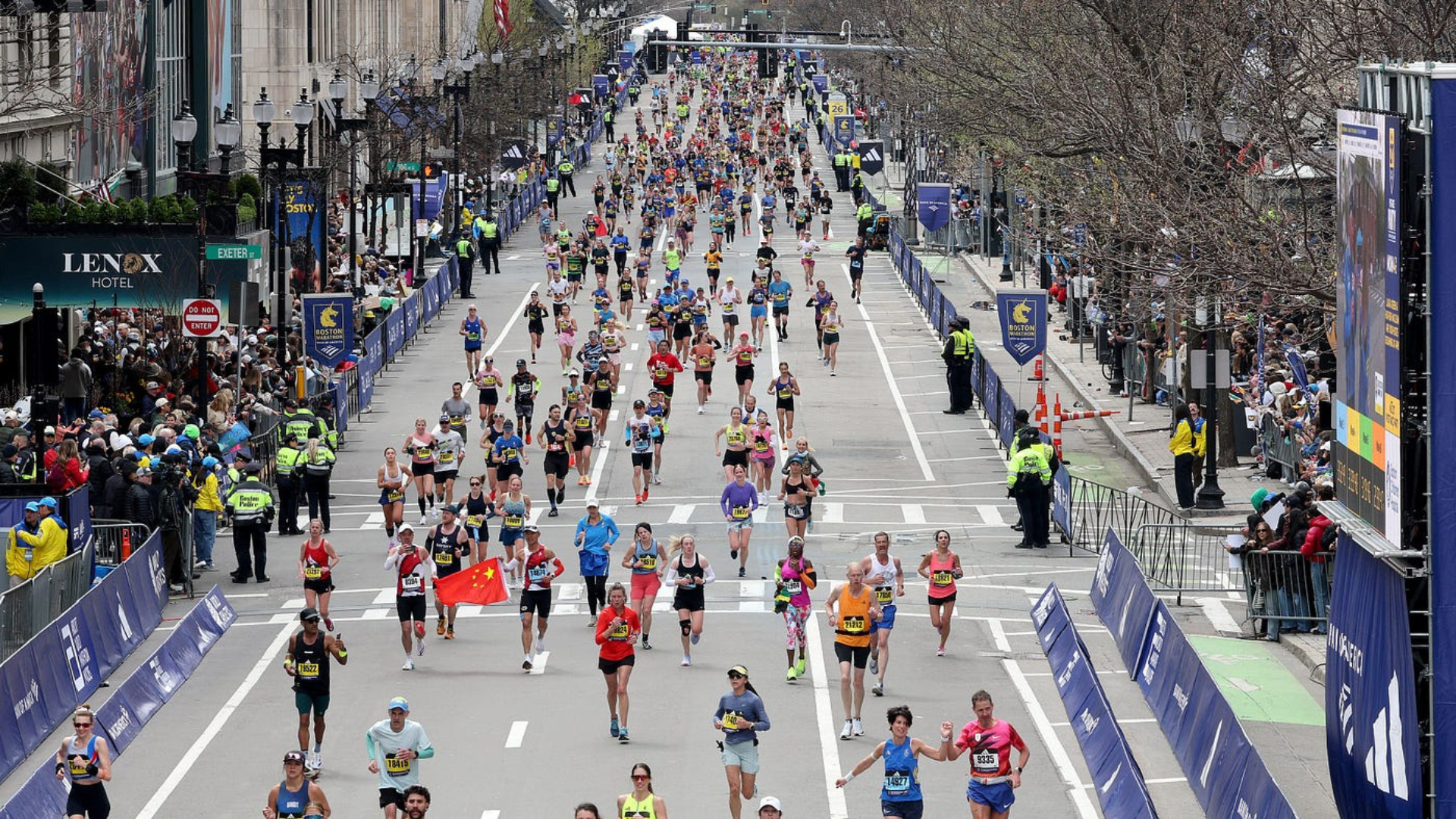
Every year, the Boston Marathon becomes more than just a famous race. It becomes a global example of coordination, preparation, safety, and human determination. From elite competitors chasing fast race times to thousands of everyday participants crossing the finish line, the event demonstrates what it takes to successfully manage a world-class endurance event. Learn the main Boston Marathon Event Staffing Lessons.
For staffing professionals, organizers, and operational teams, there is a lot to learn from the Boston Marathon. Behind every successful marathon is a massive network of planners, support crews, medical teams, timing specialists, logistics coordinators, and experienced race officials working together under pressure.
The lessons from the Boston Marathon apply to nearly every large-scale running or endurance sport event in the world.
Table of Contents
Why the Boston Marathon Sets the Standard
The Boston Marathon is one of the oldest and most respected races in modern athletics. Organized by the Boston Athletic Association, the event attracts elite competitors, amateur participants, sponsors, media, and enormous crowds every year.
As an Abbott World Marathon Major, the event sits alongside the London Marathon, Berlin Marathon, Chicago Marathon, and New York City Marathon as one of the most prestigious long-distance events in the world.
That reputation creates enormous operational demands.
Staffing a local 5K is one thing. Staffing a historic marathon with tens of thousands of participants spread across miles of roadway is something entirely different.
Staffing Begins Long Before Race Day
One major lesson from the Boston Marathon is that successful event staffing starts months before race day.
Event teams do not simply hire workers the week before the event. Instead, organizers build structured staffing plans that include:
- Volunteer recruitment
- Safety coordination
- Emergency response planning
- Transportation management
- Medical staffing
- Hydration logistics
- Crowd control
- Finish area operations
Large endurance events depend heavily on preparation and training.
The best event teams understand that staffing is similar to marathon training itself. Just like an athlete prepares for months before a big competition, operational teams must develop systems, communication strategies, and contingency plans long before the first participant reaches the starting line. And understaffing events with this magnitude, just like not training enough, can have big consequences in the logistics and goal.
The Importance of Specialized Training
A major race cannot rely on generic staffing alone.
The Boston Marathon demonstrates how important specialized training is for every team member involved in the event.
For example:
Medical Teams Need Advanced Preparation
Large-scale running events often face medical risks such as:
- Dehydration
- Muscle injuries
- Exhaustion
- Cardiac emergencies
- Heat stroke
Because of these risks, highly trained medical volunteers and emergency personnel are positioned throughout the race course and especially near the finish line.
An experienced athletic trainer can quickly identify warning signs before a situation becomes dangerous.
Operations Staff Must Understand Athlete Flow
Managing thousands of participants requires careful movement planning.
The marathon course must be staffed with workers who understand:
- Crowd density
- Hydration station timing
- Participant pacing
- Road closures
- Emergency rerouting
A single staffing failure at the wrong mile marker can create delays and safety concerns across the entire event.
The Finish Line Is the Most Critical Zone
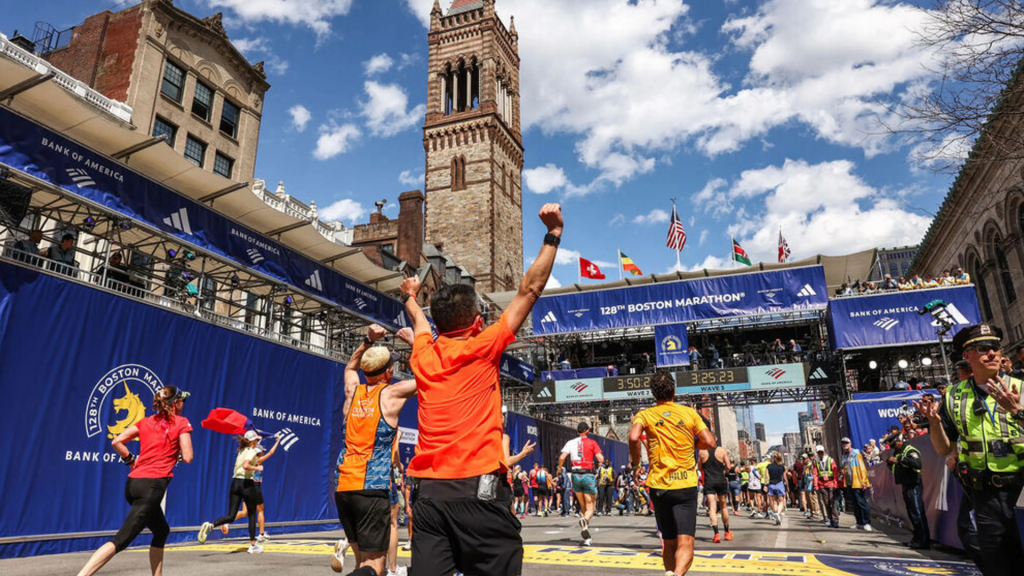
Every experienced event planner knows the finish line is one of the most complex areas in any race.
At the Boston Marathon, the finish line becomes a high-pressure environment where exhausted participants, media crews, emergency teams, sponsors, and cheering fans all converge at once.
Staffing this area requires careful coordination.
Key responsibilities near the finish line include:
- Medical monitoring
- Crowd control
- Participant recovery support
- Medal distribution
- Security operations
- Timing verification
- Communication management
After running 26.2 miles, many participants struggle physically in the final moments before they finish.
That means staffing teams must remain alert even after competitors cross the line.
Resilience and Crisis Preparedness Matter
No discussion of the Boston Marathon is complete without acknowledging the impact of the Boston Marathon bombing.
That tragedy permanently changed how endurance events approach security, staffing, and emergency preparedness.
The response demonstrated extraordinary resilience from the city, organizers, and the global running community.
The phrase Boston Strong became a symbol of unity and determination.
Today, large-scale event staffing plans often include:
- Expanded security coordination
- Emergency evacuation procedures
- Communication command centers
- Multi-agency response systems
- Public safety drills
The modern Boston Marathon shows how staffing strategies must evolve alongside safety concerns.
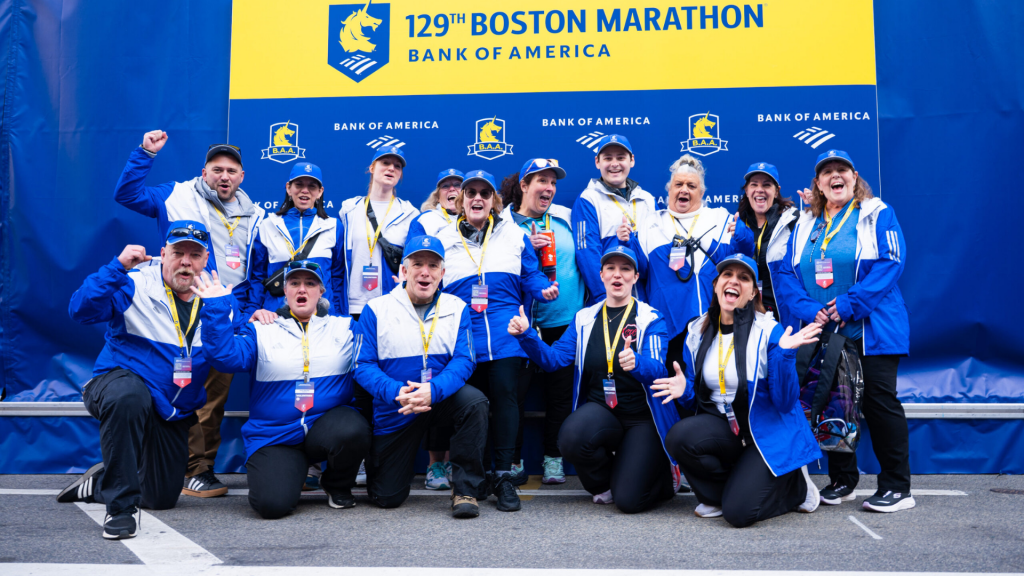
Volunteers Are the Backbone of Major Races
Even the biggest events rely heavily on dedicated support teams.
The Boston Marathon depends on thousands of volunteers across the entire operation.
These individuals help with:
- Water stations
- Directional support
- Participant check-in
- Gear transport
- Medical support
- Recovery areas
Without strong volunteer management systems, even the best-designed event can struggle.
That is why many successful races invest heavily in volunteer recruitment and training programs months in advance.
Endurance Events Require Flexible Staffing Models
One key lesson from the Boston Marathon is that no two endurance events are exactly alike.
A half marathon creates different operational challenges than a full marathon.
Similarly, a trail ultramarathon differs greatly from a city-based road event.
Staffing plans must adapt to factors such as:
- Weather conditions
- Participant volume
- Terrain
- Distance
- Local regulations
- Spectator access
A rainy race day may require additional medical personnel and cleanup crews.
Extreme heat can increase hydration demands and elevate the risk of heat stroke.
The best staffing teams remain flexible under changing conditions.
Elite Athletes and Everyday Participants Need Different Support
Another important takeaway from the Boston Marathon is that staffing needs vary across participant groups.
Elite runners competing for a gold medal require different operational support than recreational participants simply trying to finish the event.
Top competitors often have:
- Dedicated warm-up areas
- Advanced timing systems
- Media coordination
- Specialized hydration plans
Meanwhile, everyday participants may need more guidance, encouragement, and recovery assistance throughout the race.
Balancing these needs is a major challenge for staffing coordinators.
Communication Is Everything
One reason the Boston Marathon consistently succeeds is strong communication.
Large events involve thousands of moving parts across many miles of roadway.
Operations teams must coordinate with:
- Medical staff
- Police departments
- Transit authorities
- Sponsors
- Event managers
- Security personnel
- Timing companies
When communication fails, problems spread quickly.
The best event staffing teams use:
- Real-time radios
- Emergency communication systems
- GPS tracking
- Staff escalation protocols
- Centralized command centers
Clear communication keeps the entire race functioning smoothly from start to finish.
Spectator Management Is Part of the Experience
Major races are not just about participants. They are also about the fans.
The Boston Marathon attracts enormous crowds of spectators across nearly every mile of the course.
That creates additional staffing requirements involving:
- Public safety
- Accessibility
- Traffic coordination
- Emergency access lanes
- Crowd movement
Events in cities like New York City often face similar challenges during the New York City Marathon.
Proper crowd management improves safety while also creating a better experience for participants and supporters alike.
Lessons for Every Endurance Event Organizer
Whether planning a local race, a regional half marathon, or an international world marathon major, organizers can learn valuable lessons from Boston.
Successful staffing strategies usually include:
Invest in Early Training
Strong training programs reduce confusion and improve operational consistency.
Prioritize Medical Readiness
Prepared medical teams protect every athlete on the course.
Build Flexible Staffing Plans
Weather, crowd size, and emergencies can change quickly during any race.
Focus on the Finish Experience
The final mile and the finish line often define the participant experience.
Create Strong Communication Systems
Fast communication helps staff respond to problems before they escalate.
The Human Side of Endurance Staffing
At its core, the Boston Marathon is about people.
It is about the first-time participant pushing through a difficult long run.
It is about the experienced distance runner chasing a personal best.
It is about the exhausted competitor finding the strength to finish one final mile.
And behind all of that are staffing professionals working tirelessly to support every participant on the course.
From hydration crews to emergency teams, every role matters.
Final Thoughts
The 130th Boston Marathon will continue a tradition that represents excellence in global running events.
For staffing professionals, the event offers valuable lessons in preparation, flexibility, communication, and operational excellence.
Whether studying the systems used by the Boston Athletic Association or comparing logistics with events like the Philadelphia Marathon, there is a clear takeaway:
Great endurance events are never successful by accident.
They succeed because trained teams work together to support every athlete, every race, and every moment from start to finish.
As endurance participation continues to grow worldwide, event organizers who invest in smarter staffing strategies will create safer, stronger, and more memorable experiences for everyone involved.