
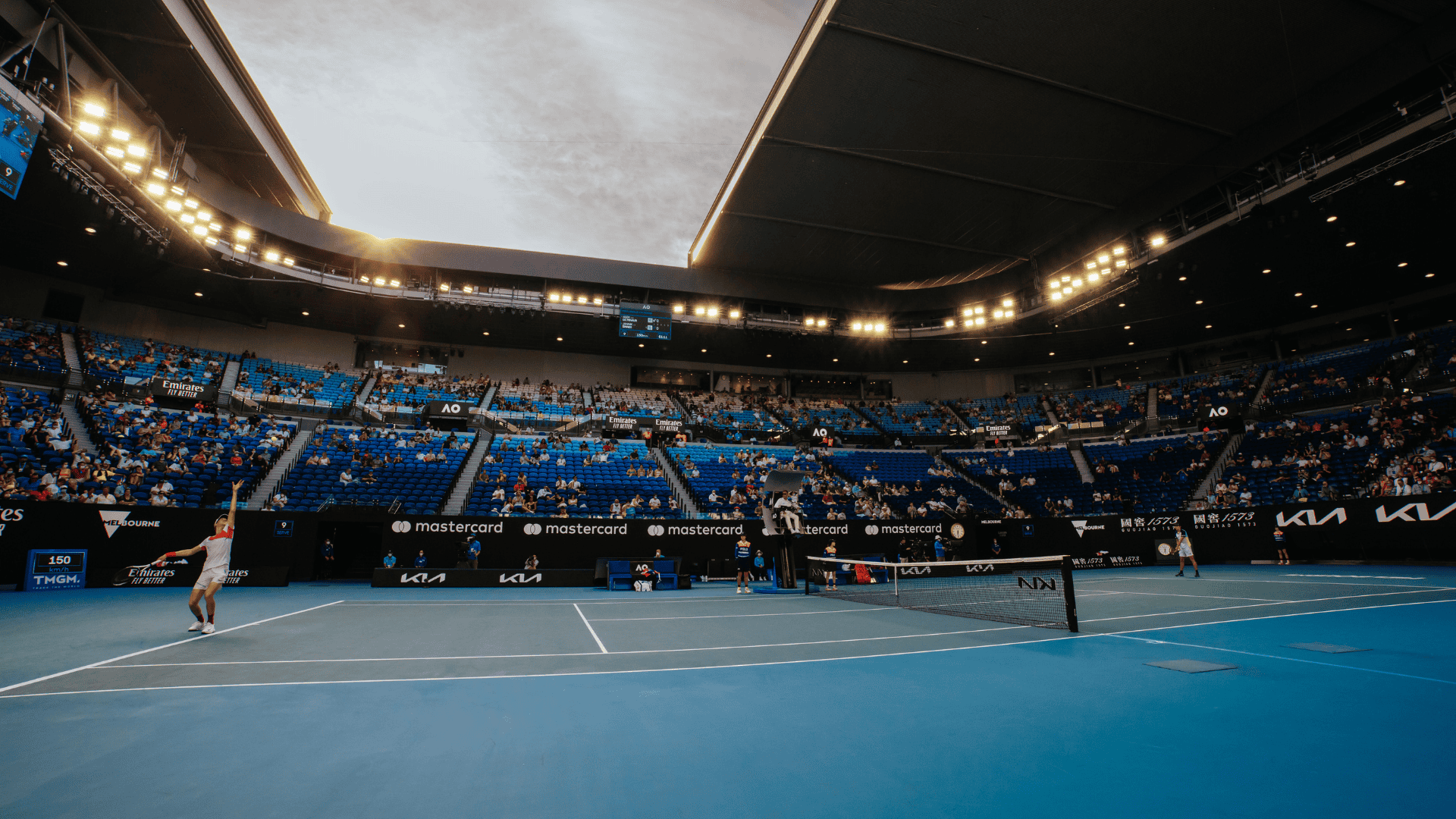
The US Open is more than a world-class tennis tournament. It is a major hospitality event that brings together fans, corporate groups, sponsors, luxury travelers, and visitors from across the United States and around the world.
For guests, the tournament experience extends far beyond what happens on the court. From entering the venue and finding a seat to ordering food, visiting a luxury suite, or asking for directions, every interaction can influence the overall guest experience.
Behind those moments are the people making them happen.
Understanding how strategic staffing improves guest experience at the US Open starts with recognizing that great hospitality depends on having the right staff, in the right positions, at exactly the right time.
Table of Contents
The US Open Is a Hospitality Experience
Major sporting events operate on a massive scale. Thousands of travelers arrive expecting exciting tennis, but they also expect efficient, welcoming, and professional service throughout their visit.
That makes the event comparable in many ways to the hospitality industry. Just as hotels and resorts carefully manage every stage of a visitor’s stay, major events must consider the entire guest journey.
Guests notice whether entrances move efficiently. They notice whether staff members can answer questions. They notice the cleanliness of hospitality areas, the organization of food and beverage stations, and the level of attention inside luxury suites.
Every detail contributes to satisfaction.
This is why successful event hospitality requires much more than simply filling available shifts.
Strategic Staffing Starts Before Guests Arrive
Effective staffing begins with anticipating demand.
At an event like the US Open, attendance patterns and guest needs can change throughout the day. Certain entrances may become crowded before major matches. Hospitality spaces may experience surges during breaks. Food and beverage demand can increase rapidly between sessions.
Strategic hospitality staffing helps prepare for these fluctuations.
Instead of assigning the same number of employees everywhere, teams can place additional staff where demand is expected to be highest.
This approach can improve operational efficiency while helping prevent unnecessary delays.
For a hotel, the same principle might mean scheduling additional desk staff during peak check-in hours. At a major sporting event, it means ensuring enough trained personnel are available at entrances, concessions, premium areas, information points, and other high-traffic locations.
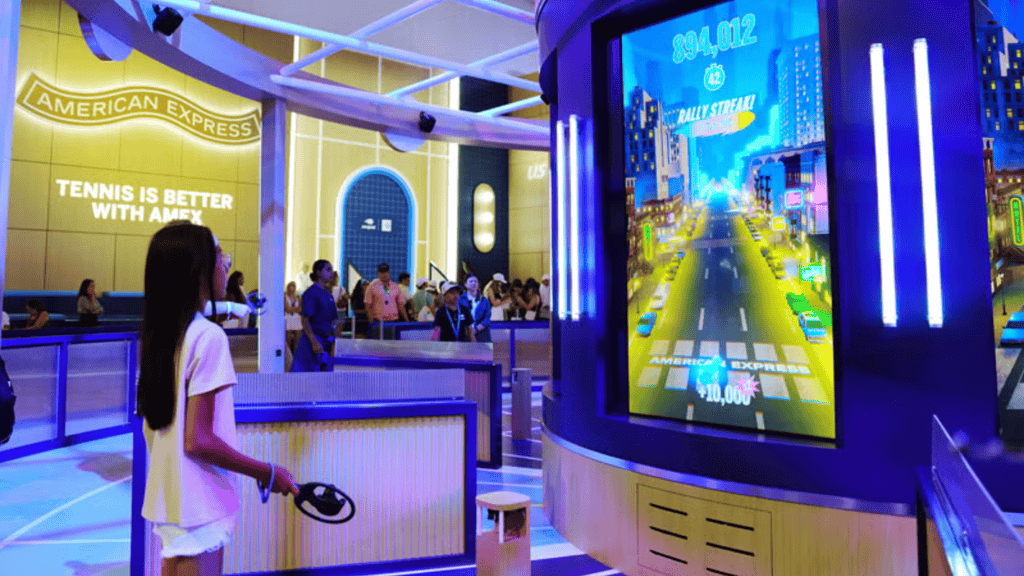
Frontline Staff Shape Guest Satisfaction
For many attendees, frontline staff members become the face of the event.
A friendly greeting, clear directions, or fast assistance can turn a small interaction into a positive memory.
These guest interactions may seem simple, but they have a major influence on guest satisfaction.
Strong communication is especially important. Guests may need help locating seats, understanding venue policies, finding transportation options, accessing hospitality areas, or resolving unexpected problems.
When staff can respond confidently and professionally, the result is smoother service and a stronger overall experience.
The same concept drives successful guest service in a hotel. Whether someone is checking into a property or entering a tennis venue, people appreciate feeling acknowledged, informed, and supported.
Hospitality Training Makes a Difference
Having enough people is only part of the equation. They also need to be prepared.
Effective hospitality teams train employees on expectations before they begin interacting with guests.
Training may include:
- Venue layouts and important locations
- Service standards and professional behavior
- Proper communication with guests and coworkers
- Procedures for handling complaints or questions
- Accessibility and special guest needs
- Premium hospitality protocols
- Escalation procedures for situations requiring additional support
Preparation gives staff the tools to provide consistent service quality, even during busy periods.
For hoteliers, this idea is familiar. Major brands such as IHG Hotels invest heavily in creating consistent hospitality standards across their properties. Event organizers can apply similar principles by establishing clear expectations for every employee representing the event.
Consistency is an important part of creating exceptional guest experiences.
Premium Areas Require Premium Service
The US Open offers more than general admission and traditional seating. Corporate hospitality spaces, private areas, and luxury suites create opportunities for premium experiences.
Guests in these environments often have particularly high guest expectations.
They may expect attentive service, knowledgeable staff, smooth food and beverage operations, and immediate assistance when something goes wrong.
Strategic scheduling ensures these spaces have enough personnel to deliver that level of hospitality without becoming overcrowded or inefficient.
A high-end hotel faces a similar challenge. Luxury travelers do not simply evaluate the room itself. They evaluate how quickly requests are handled, how personalized the service feels, and how effectively the hotel staff anticipate their needs.
Premium sporting events must think the same way.
Great Staffing Helps Prevent Service Problems
Understaffing can quickly affect the customer experience.
When there are too few staff members, lines can grow, requests can take longer to resolve, and employees may become overwhelmed. Even small issues can escalate when guests cannot easily find someone to help.
This can affect satisfaction, customer satisfaction, and eventually the way people remember the event.
Adequate staff coverage allows teams to respond more quickly while maintaining service levels during periods of high demand.
It can also support employees themselves.
Constantly operating with insufficient personnel can contribute to burnout and employee turnover. In contrast, appropriately staffed hospitality teams can distribute responsibilities more effectively and create a more sustainable work environment.
That ultimately benefits the guest.
Communication Keeps Hospitality Teams Connected
Large events require coordination across multiple departments.
Security, concessions, premium hospitality, transportation, guest relations, operations, and other groups need effective communication to keep the event moving.
If one entrance suddenly becomes congested, teams may need to reposition staff. If a hospitality area experiences unexpected demand, additional support may need to be deployed.
Clear communication allows managers to respond quickly rather than waiting for a problem to become obvious to every guest.
The best hospitality business operations are proactive.
A hotel, for example, may coordinate between housekeeping, the front desk, food and beverage, and management to resolve an issue before it significantly affects a stay. Large sporting events benefit from the same cross-functional approach to service.
Feedback Helps Improve Future Events
Strategic staffing does not end when the final match is over.
Organizers can use feedback to understand where the guest experience worked well and where improvements may be needed.
Sources might include direct guest feedback, operational observations, surveys, and guest reviews.
Teams can ask questions such as:
- Were lines too long in certain areas?
- Could guests easily locate staff when they needed assistance?
- Were premium hospitality areas appropriately staffed?
- Did specific times of day create recurring bottlenecks?
- Which interactions generated positive feedback?
This information can function much like guest data used by a hotel to improve future stays.
The goal is continuous excellence.
Exceptional Service Creates Memorable Experiences
People may attend the US Open because they love tennis, but their memories of the day include much more than the final score.
They remember whether entering the venue was easy. They remember the food, atmosphere, amenities, and how they were treated.
They remember great service.
A helpful staff member can transform a stressful situation into a positive interaction. An organized hospitality team can make a crowded event feel seamless. Fast problem-solving can protect guest satisfaction even when something unexpected occurs.
That is the power of exceptional service.
The same principle explains why guest loyalty matters so much to a successful hotel. People are more likely to return when they associate a brand or destination with reliable hospitality, personal attention, and memorable experiences.
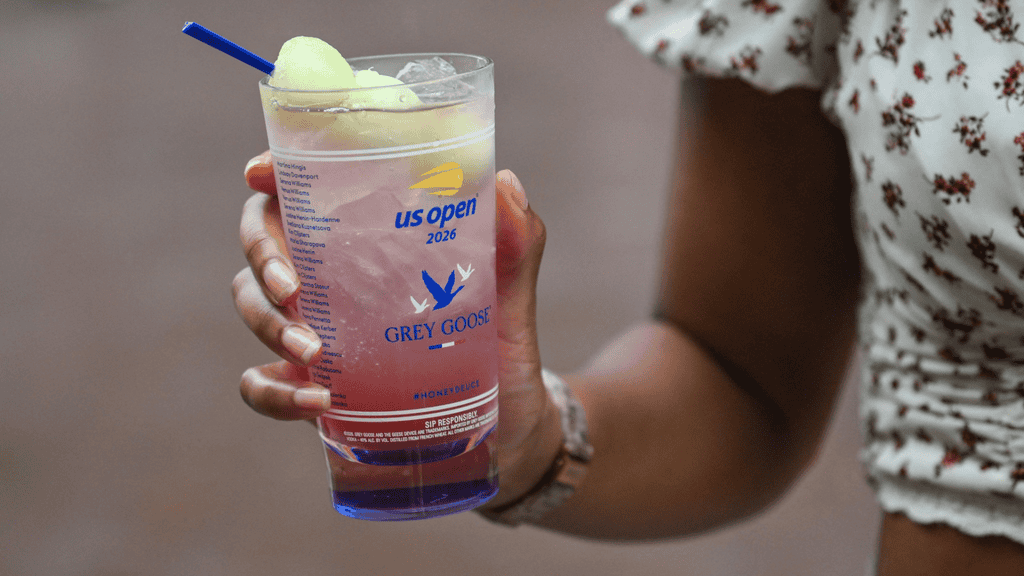
Bringing Hotel-Level Hospitality to Major Events
There is a reason sporting events increasingly borrow strategies from the hotel sector.
Both environments revolve around people.
A successful hotel understands that a beautiful property alone does not guarantee satisfaction. A modern hotel needs knowledgeable staff, dependable service, thoughtful processes, and a commitment to hospitality excellence.
The same applies to the US Open.
Whether guests are staying at nearby hotels, attending corporate events, enjoying premium areas, or spending the entire day exploring the grounds, they expect the experience to feel organized.
Successful hospitality operations make that possible.
Strategic Staffing Supports Service Excellence
Ultimately, the quality of an event is closely connected to the people delivering it.
Strategic staffing gives organizations the ability to anticipate demand, deploy qualified staff, maintain consistent service, and respond quickly when conditions change.
It also creates a stronger foundation for hospitality excellence.
When event organizers invest in experienced people and thoughtful workforce planning, they are investing directly in the US Open guest experience.
From the first greeting to the final interaction of the day, every guest should feel that the event has been designed with their comfort and enjoyment in mind.
That is what great hospitality accomplishes.
For the US Open and other major events across the United States, having the right staff in place can help turn an exciting sporting event into something even more valuable: an experience guests genuinely want to repeat.
For organizations seeking to deliver outstanding service, strengthen guest satisfaction, and create a culture of excellence, strategic staffing is not simply an operational decision. It is a fundamental part of creating an exceptional event.