
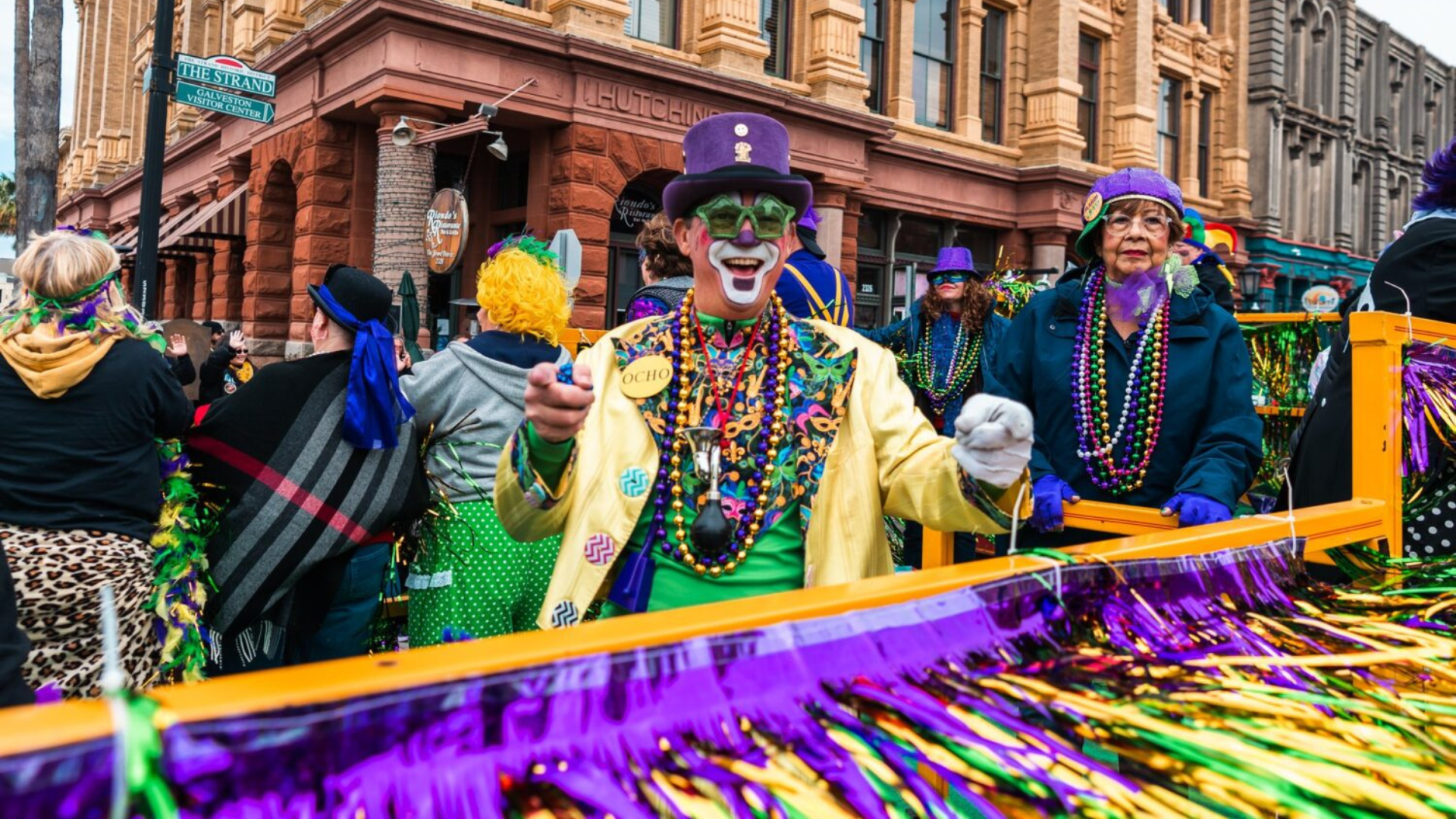
When cities host iconic celebrations, the spotlight shines bright.
But behind the glitter, music, and celebration lies something far less glamorous:
Staffing.
Understanding the cost of understaffing major cultural festivals like mardi gras is essential for city leaders, event planners, and business owners alike.
Because when staffing falls short, the consequences ripple across the entire city.
And few celebrations show this more clearly than Mardi Gras.
Table of Contents
Mardi Gras: More Than a Party
Mardi Gras is not just a parade.
It is:
- A multi-week celebration
- A tourism engine
- A massive economic driver
- A deeply rooted cultural tradition
Centered in New Orleans, Mardi Gras draws visitors from across the United States and around the world.
On Fat Tuesday, the celebration reaches its peak.
Streets are packed.
Hotels are full.
Music echoes across the city.
But none of it works without workers.
Why Staffing Matters at Festivals
Every major event requires coordination.
Now multiply that by:
- Dozens of parades
- Street closures
- Concert stages
- Pop-up vendors
- Security checkpoints
- Hospitality services
Large festivals demand layers of planning and execution.
And each layer depends on skilled labor.
When staffing levels drop, the cracks show quickly.
The Hidden Costs of Understaffing
Let’s break down what really happens when there aren’t enough workers at a major event like Mardi Gras.
Safety Risks Increase
Crowd control becomes harder.
Emergency response slows down.
Sanitation services fall behind.
Understaffed security teams struggle to monitor high-traffic areas during a parade or major live event.
That creates real risk for attendees.
Service Quality Drops
Visitors come to Mardi Gras expecting:
- Friendly hospitality
- Fast service
- Clean public spaces
- Organized transportation
When restaurants, hotels, and vendors lack workers, service times spike.
Customer complaints rise.
And the city’s reputation suffers.
Revenue Is Lost
Understaffing directly affects sales.
If a food vendor cannot operate at full capacity, revenue drops.
If a hotel cannot clean rooms quickly enough, occupancy suffers.
If a bar cannot serve fast enough, customers walk away.
These missed opportunities reduce overall economic impact.
And that affects the entire New Orleans economy.
The Economic Impact of Mardi Gras
Mardi Gras generates hundreds of millions in economic activity each year.
That includes:
- Hotel bookings
- Restaurant revenue
- Retail sales
- Transportation services
- Catering contracts
- Entertainment production
The economic impact stretches far beyond the French Quarter.
It touches small businesses, hotel operators, transportation providers, and independent vendors.
When staffing is inadequate, that economic activity slows.
And the local economy feels it immediately.
Festivals Across the United States Face Similar Challenges
Mardi Gras may be iconic, but it’s not alone.
Major festivals in:
- New York
- Los Angeles
- San Diego
- San Francisco
All rely on seasonal labor surges.
Whether it’s a music festival, a cultural celebration, or a special event, the same pattern emerges:
Demand spikes.
Labor supply struggles.
Costs rise.
The Labor Shortage Problem
Across the United States, a persistent labor shortage has reshaped event operations.
For festival organizers and event planners, this creates intense pressure.
Common issues include:
- Last-minute call-outs
- Unfilled shifts
- Overtime costs
- Burnout among workers
Without proper staffing models, managers scramble to fill gaps.
And scrambling leads to mistakes.
The Human Cost: Burnout and Low Employee Satisfaction
Understaffing doesn’t just hurt guests.
It hurts the workers.
When there are not enough employees scheduled, existing staff must:
- Work longer shifts
- Skip breaks
- Handle heavier workloads
Over time, this reduces employee satisfaction.
And lower employee satisfaction increases turnover.
It becomes a cycle:
- Labor shortage
- Overworked staff
- Burnout
- More resignations
Breaking that cycle requires smarter employee scheduling and greater scheduling flexibility.
Why Scheduling Flexibility Is Critical
One of the biggest lessons from Mardi Gras is this:
Rigid scheduling fails during large festivals.
Workers need flexibility.
Managers need visibility.
Modern solutions such as shift marketplace platforms allow employees to:
- Swap shifts
- Pick up extra hours
- Adjust availability
Technology providers like Shyft Technologies focus on mastering shift swaps and enabling real-time scheduling changes.
This kind of flexibility prevents understaffing from spiraling out of control.
The Ripple Effect on the New Orleans Economy
When Mardi Gras thrives, the New Orleans economy thrives.
But when staffing shortages disrupt service:
- Tourists leave frustrated
- Negative reviews spread
- Return visits decline
That affects future economic activity.
It also impacts small businesses that rely heavily on festival revenue.
For many vendors, Mardi Gras is the difference between profit and loss for the year.
Small Businesses Feel It First
Large corporations can absorb staffing disruptions.
Small businesses cannot.
A small restaurant near a parade route may depend on:
- Temporary workers
- Catering support
- Seasonal labor
Without a reliable small business staffing solution, they face:
- Long wait times
- Reduced service hours
- Lost sales
Understaffing hits these operators hardest.
Hotel Operators and the Staffing Crunch
Hotel operators face intense pressure during Mardi Gras.
Rooms are fully booked.
Guests arrive early and leave late.
Turnover between stays is fast.
If housekeeping teams are understaffed:
- Check-ins get delayed
- Guests get frustrated
- Online reviews suffer
And in today’s digital world, reputation spreads fast.
The Parade Factor
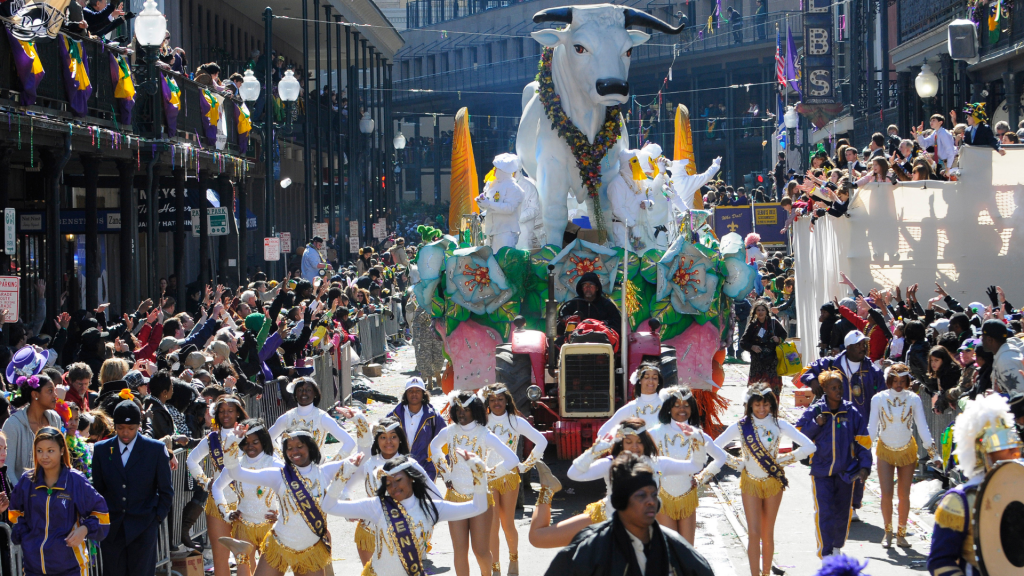
Every parade requires coordination.
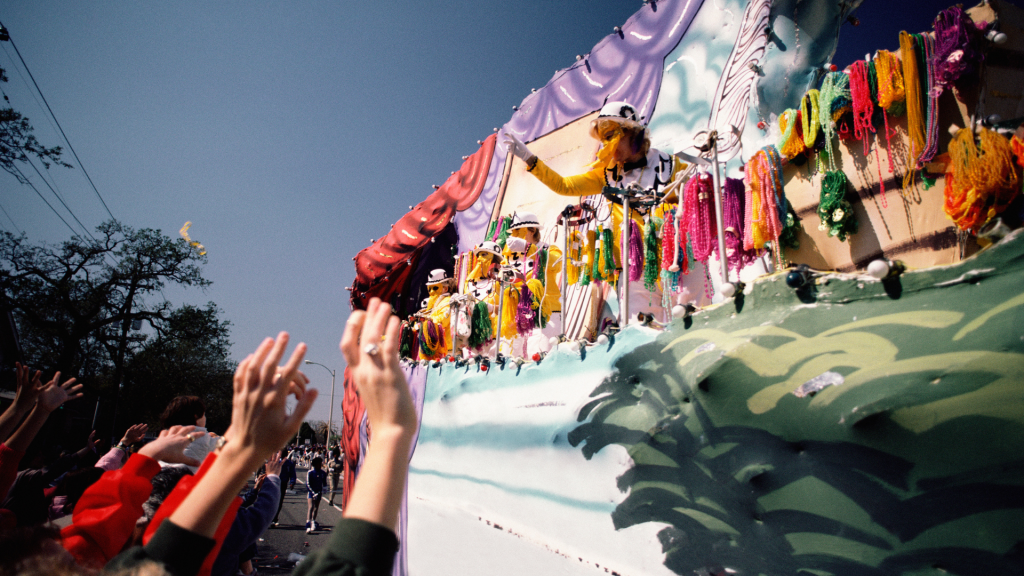
Each krewe organizes floats, throws beads, and manages volunteers.
Behind the scenes are:
- Traffic controllers
- Sanitation crews
- Security teams
- Medical staff
Understaffing any of these roles increases operational risk.
Even something as simple as distributing beads safely requires oversight and planning.
Data Protection and Personal Information
Large festivals collect significant personal information.
Ticketing systems.
Vendor registrations.
Payment processing.
If staffing is thin, cybersecurity and data management oversight can weaken.
Protecting personal information must remain a priority — even during high-pressure events.
The True Economic Impact of Live Events
Live events drive more than tourism.
They stimulate:
- Transportation services
- Catering contracts
- Equipment rentals
- Security services
The broader economic impact includes temporary employment, supplier revenue, and tax contributions.
When staffing breaks down, these layers weaken.
And the overall economic impact shrinks.
Comparing Mardi Gras to Other Festivals
Mardi Gras is unique.
But lessons apply to:
- Large music festival gatherings
- Citywide cultural festivals
- National celebrations
Across the country, event planners must think beyond minimum staffing levels.
They must plan for peak demand.
The Role of Managers During Major Events
Managers are the front line of festival execution.
They must:
- Monitor attendance
- Adjust staffing in real time
- Support workers
- Resolve guest issues
Without adequate labor planning, managers spend the entire event reacting instead of leading.
That reduces efficiency.
And it increases costs.
The Financial Costs Add Up Quickly
Understaffing leads to:
- Overtime pay
- Emergency hiring
- Training rush fees
- Customer compensation
- Reputation repair
These hidden costs often exceed the expense of hiring adequate workers upfront.
Investing in proper staffing reduces long-term costs.
Fat Tuesday: The Peak Pressure Test
On Fat Tuesday, everything intensifies.
Crowds swell.
Security tightens.
Service demand explodes.
If staffing plans are weak, problems multiply quickly.
Fat Tuesday exposes every gap in preparation.
Building a Better Staffing Strategy
To avoid the cost of understaffing major cultural festivals like Mardi Gras, organizers should focus on:
Forecasting Demand
Use historical data to predict peak crowd flows.
Strengthening Labor Pipelines
Build relationships with staffing agencies and seasonal workers early.
Offering Scheduling Flexibility
Enable shift swaps and shift marketplace tools.
Supporting Workers
Protect employee satisfaction through fair shifts and breaks.
Leveraging Technology
Use platforms like Shyft Technologies to improve employee scheduling and communication.
Long-Term Benefits of Proper Staffing
When staffing is handled well:
- Workers feel supported
- Attendees have better experiences
- Small businesses thrive
- The local economy grows
- Economic impact increases year after year
Mardi Gras remains successful not just because of tradition — but because of planning.
Final Thoughts
Understanding the cost of understaffing major cultural festivals like mardi gras means looking beyond payroll.
It means recognizing the broader economic impact on:
- Workers
- Small businesses
- Hotel operators
- The New Orleans economy
- The entire local economy
Major festivals are engines of economic activity.
But they only run smoothly when the labor behind them is strong.
Understaffing may seem like a short-term savings strategy.
In reality, it is one of the most expensive mistakes an event organizer can make.
Related Articles
If you’re interested in workforce strategy and large-scale event planning, explore related articles on:
- Employee scheduling best practices
- Mastering shift swaps
- Supporting workers during peak seasons
- Protecting personal information at live events
Or contact support to learn more about modern small business staffing solutions designed for high-demand environments.
Because when it comes to Mardi Gras and other major festivals…
The real celebration happens behind the scenes.