
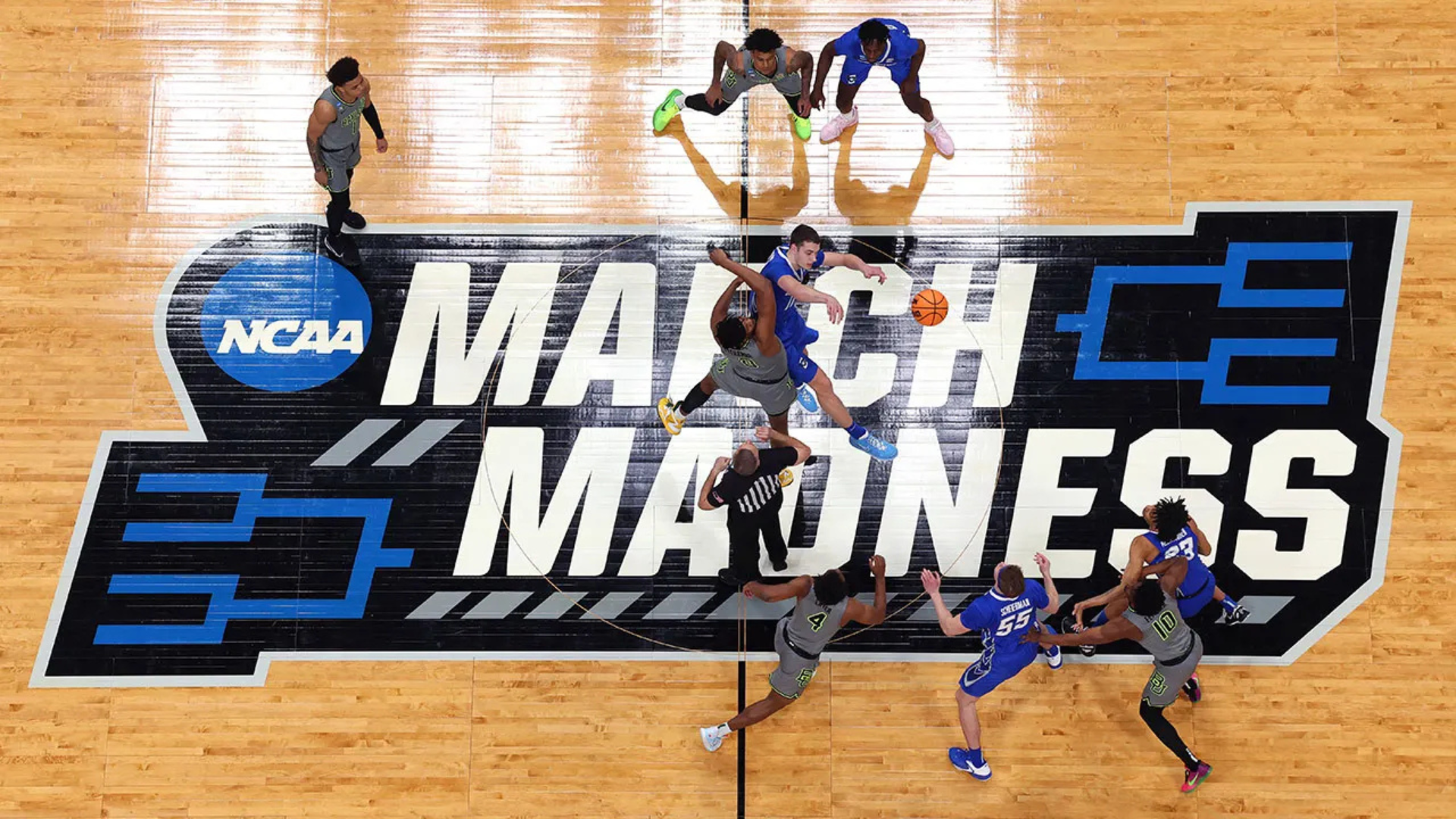
Every spring, March Madness captures the attention of millions. From buzzer-beaters to Cinderella stories, the excitement is unmatched across all sporting events. But behind the scenes of the NCAA Tournament, there’s a less visible issue that can significantly impact outcomes: understaffing.
In this article, we explore the cost of understaffing NCAA tournament events, how it affects operations, fans, and revenue, and why better staffing strategies are critical for success.
Table of Contents
Why Staffing Matters During March Madness
March Madness isn’t just a series of games—it’s a nationwide phenomenon that drives massive engagement.
- Millions of college basketball fans tune in
- Offices buzz with bracket pools
- Cities hosting games see a surge in visitors
- Brands and sponsors invest heavily
From Selection Sunday to the Final Four, every moment matters. When staffing falls short, the ripple effects are immediate and costly.
Understanding the Scale of the NCAA Tournament
The NCAA Men’s Basketball Tournament spans weeks, multiple locations, and countless logistics.
Key Components Include:
- Early rounds hosted across cities like San Diego and San Antonio
- Regional games leading up to the Final Four
- Coordination across conferences and governing bodies
- Support from university athletic departments
This complexity makes proper scheduling and staffing essential.
The Hidden Impact of Staff Shortages
Staff shortages during high-demand events like March Madness can create operational bottlenecks.
Common Challenges:
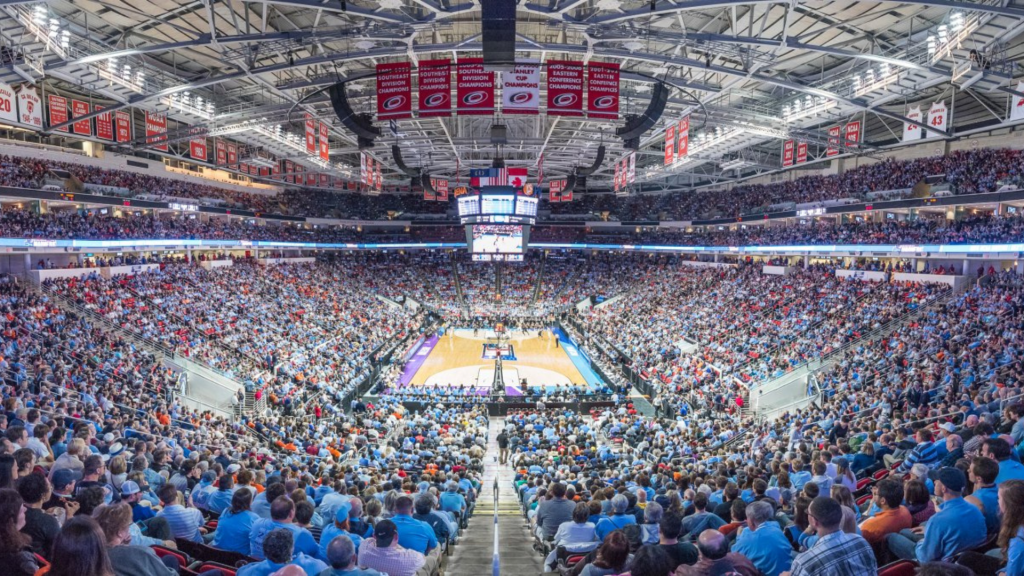
- Long entry lines for fans
- Delays in concessions and merchandise sales
- Poor crowd management
- Reduced security presence
These issues don’t just frustrate attendees—they directly impact revenue and overall event perception.
Lost Revenue Opportunities
One of the biggest consequences of understaffing is missed financial potential.
Where Revenue Is Lost:
- Concessions with long wait times
- Merchandise sales left unrealized
- Missed sponsorship activations
- Reduced premium experiences
With millions attending or engaging during March Madness, even a small drop in efficiency can lead to significant revenue loss.
The Productivity Problem
While arenas are packed, workplaces across the country experience lost productivity.
According to insights often cited by organizations like the American Gaming Association, working fans spend hours tracking scores, checking sports betting odds, and updating brackets.
Effects Include:
- Each lost hour adds up across businesses
- Increased productivity loss during peak game times
- Distraction driven by March Madness related activities
This shows how the tournament impacts not just venues, but the broader economy.
Fan Experience at Risk
At the heart of every successful sporting event are the fans. When staffing is inadequate, their experience suffers.
What Fans Expect:
- Quick entry and clear directions
- Clean facilities
- Efficient service
- Engaging in-game atmosphere
Failing to meet these expectations can damage the reputation of both the NCAA Tournament and host venues.
Comparing to Other Major Events
To understand the scale, compare March Madness to events like the Super Bowl or even global competitions like the Premier League.
While the Super Bowl is a single-day spectacle, March Madness spans weeks and multiple venues, increasing the complexity of staffing.
Impact on Host Cities
Cities like San Antonio and San Diego rely on these events for economic boosts.
Economic Contributions:
- Increased tourism spending
- Hotel and restaurant revenue
- Local job creation
However, understaffing can reduce the overall economic impact, limiting the benefits for local communities.
Pressure on Athletic Programs
University athletic programs and athletic departments play a key role in supporting tournament logistics.
Challenges They Face:
- Coordinating staff across venues
- Supporting student athletes
- Managing compliance with NCAA Division regulations
Without adequate staffing, these responsibilities become harder to manage effectively.
The Role of Media and Data
Organizations like Action Network provide real-time insights that fuel fan engagement.
At the same time, platforms tracking exec transactions and analytics often link to an external website for deeper insights.
This digital ecosystem increases expectations for seamless event execution—something understaffed teams struggle to deliver.
Gender Equity and the Women’s Tournament
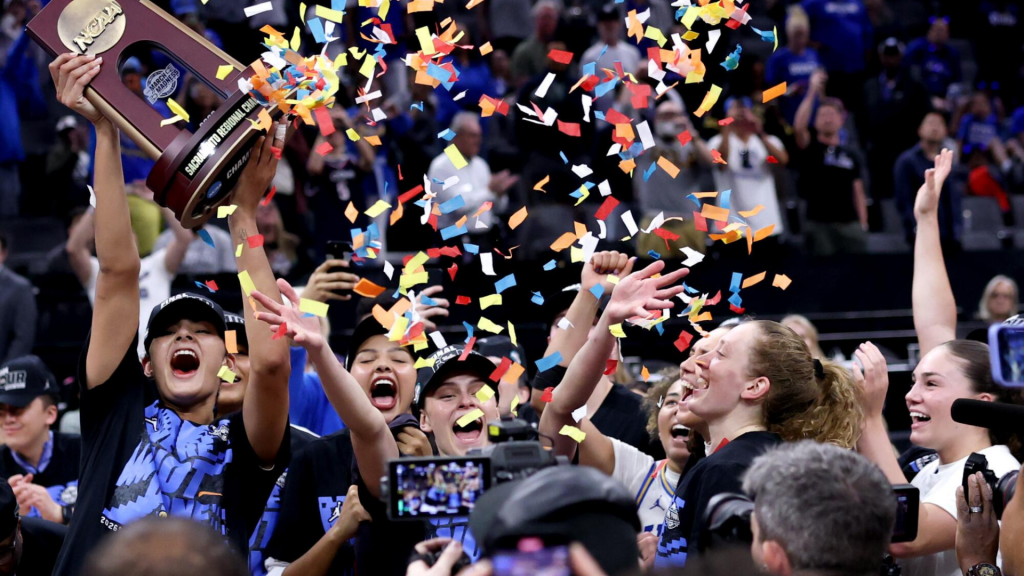
The Women’s Tournament has seen tremendous growth in recent years, attracting more attention and fans than ever.
Ensuring proper staffing here is just as important as in the men’s tournament, especially as revenue sharing discussions continue across college athletics.
The Athlete Perspective
While much focus is on logistics and fans, understaffing also impacts athletes.
Potential Issues:
- Delays in game preparation
- Inconsistent facilities management
- Reduced support services
For competitors in the Big Dance, these factors can influence performance at the highest level.
Conference and Tournament Coordination
From the Big Ten to other major conferences, coordination begins long before the tournament.
Key Phases:
- Conference tournament preparation
- Venue selection and staffing plans
- Transition into the national bracket
Effective coordination ensures smooth operations during NCAA tournament games.
The Broader College Sports Ecosystem
The NCAA Championship sits within a larger landscape that includes the College Football Playoff and other major competitions.
Understaffing in one area can reflect poorly across the entire college sports ecosystem.
Global Comparisons and Lessons
Even outside the U.S., events in places like New Zealand show how proper staffing enhances fan experience and operational efficiency.
These global comparisons highlight the importance of planning for large-scale sporting events.
Leadership and Accountability
Experts like Andrew Challenger have emphasized the importance of workforce planning during major events.
Key Takeaways:
- Anticipate demand spikes
- Invest in training
- Use data to guide staffing decisions
Leadership plays a critical role in preventing staffing gaps.
Solutions to Avoid Understaffing
To reduce the cost of understaffing NCAA tournament events, organizations must take a proactive approach.
Recommended Strategies:
- Improve forecasting and scheduling
- Hire temporary staff early
- Cross-train team members
- Leverage technology for efficiency
These steps help ensure that both fans and stakeholders have a positive experience.
Balancing Revenue and Experience
Ultimately, success during March Madness comes down to balance.
- Maximizing revenue
- Delivering a seamless experience
- Supporting athletes and staff
When staffing is optimized, all three goals can be achieved.
Final Thoughts
March Madness remains one of the most exciting times in sports, bringing together fans, schools, and communities.
But without proper staffing, the risks are clear:
- Lost revenue
- Poor fan experiences
- Operational inefficiencies
Addressing the cost of understaffing NCAA tournament events is essential for maintaining the tournament’s reputation and ensuring its continued success.