
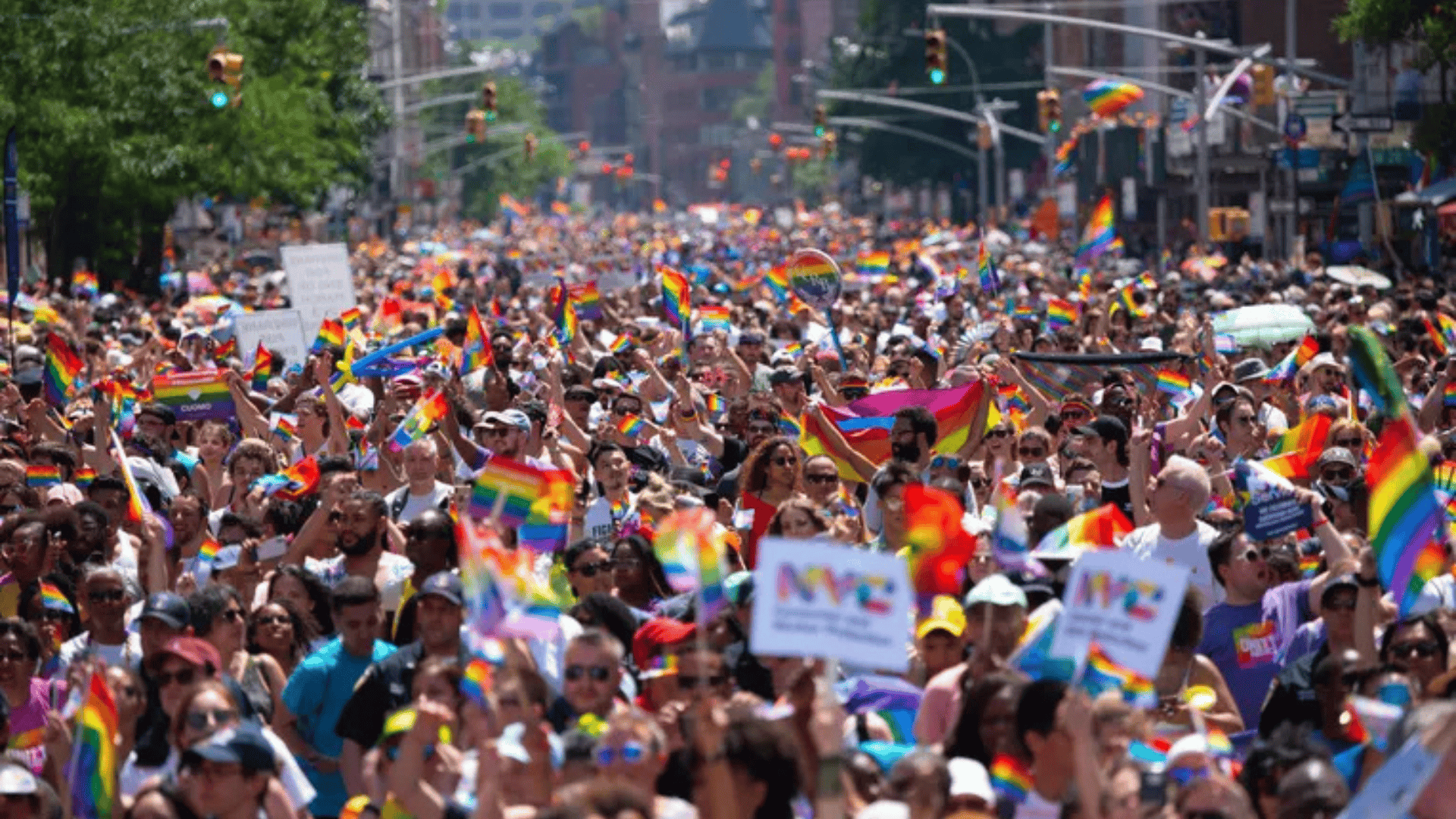
Every successful public event depends on more than great entertainment or a beautiful festival location. It depends on the people who welcome guests, answer questions, solve problems, and create a positive atmosphere from beginning to end. During Pride Month, organizers around the world demonstrate how thoughtful staffing can help create safe, welcoming, and memorable experiences for everyone.
From large city Pride Parade celebrations to neighborhood gatherings, these events offer valuable lessons about communication, accessibility, respect, and teamwork. Organizations across every industry can learn from these practices to improve staffing for concerts, sporting events, conferences, fundraisers, and community celebrations.
Let’s explore what Pride Festivals teach us about inclusive public event staffing and why these lessons benefit every type of public gathering.
Table of Contents
Why Pride Month Highlights Inclusive Event Planning
Every Pride Month celebration is unique, but one goal remains consistent: creating spaces where people feel welcomed, respected, and valued.
Whether hosting a small gathering or a major Pride Parade, organizers recognize that staffing decisions directly affect the attendee experience. Employees and volunteers are often the first people visitors meet, making their training and attitude incredibly important.
Successful staffing begins long before the event itself.
Inclusion Starts With Employee Training
An employee represents an organization’s values during every interaction.
Proper training prepares staff to:
- Welcome diverse attendees
- Answer questions respectfully
- Handle unexpected situations calmly
- Support accessibility needs
- Communicate clearly with visitors
Investing in every employee helps create positive experiences that leave lasting impressions.
Many organizations also provide additional education on respectful communication and customer service before Pride Month activities begin.
Building a Culture of Inclusivity
Strong inclusivity doesn’t happen by accident.
It requires intentional planning, ongoing education, and leadership support throughout the entire organization.
Inclusive staffing often includes:
- Respectful language training
- Accessibility education
- Conflict resolution
- Customer service standards
- Cultural awareness
These efforts strengthen workplace culture while helping staff serve every visitor confidently.
Understanding the Importance of Community
One of the greatest lessons from Pride celebrations is the value of community.
Successful events bring together:
- Families
- Friends
- Local businesses
- Volunteers
- Nonprofit organizations
- Public agencies
Everyone contributes to creating an enjoyable community experience.
Strong staffing encourages collaboration while making every attendee feel like they belong.
Learning From the History of Pride
Modern Pride Month celebrations recognize the history of the Stonewall Uprising, which helped advance conversations about equal rights and visibility.
Understanding this history helps staff appreciate why these gatherings matter to many attendees.
Awareness of historical context encourages empathy, professionalism, and respectful service throughout the event.
Supporting the LGBTQIA Community
Public events should create welcoming environments for every member of the LGBTQIA community.
This means treating everyone with dignity, respecting different backgrounds, and recognizing that every person’s gender identity deserves acknowledgment.
Thoughtful staffing practices help ensure visitors feel safe and comfortable throughout the day.
Creating Positive Experiences for Attendees
Every interaction shapes the visitor journey.
From arrival to departure, staff members help create memorable experiences by:
- Greeting attendees
- Providing directions
- Assisting with accessibility
- Answering questions
- Solving problems quickly
Positive service improves overall satisfaction while encouraging future participation in community events.
Diversity Strengthens Event Teams
Successful staffing reflects the diversity of the communities being served.
When event teams include people with different backgrounds and perspectives, they often communicate more effectively with visitors.
Promoting diversity also helps organizations better understand attendee needs while improving decision-making during busy public events.
Inclusion Beyond Pride Month
Although many organizations focus on inclusion during Pride Month, these practices should continue year-round.
Building an inclusive workplace means supporting employees every day—not only during annual celebrations.
Long-term efforts strengthen both workplace culture and customer relationships.
Employee Resource Groups Support Success
Many organizations establish an Employee Resource Group to support professional development and foster belonging.
These groups often help:
- Provide employee feedback
- Recommend training
- Plan educational activities
- Support recruitment efforts
An Employee Resource Group can also offer valuable insights when preparing staff for public events.
Supporting LGBTQIA Employees
Creating supportive environments benefits both visitors and staff.
Organizations that value LGBTQIA employees often see stronger teamwork, higher morale, and improved retention.
Similarly, supporting LGBTQ employees demonstrates a commitment to fairness while strengthening organizational trust.
Employees who feel respected are often better equipped to deliver exceptional customer service.
Communication Creates Better Experiences
Clear communication helps every event operate smoothly.
Staff should understand:
- Emergency procedures
- Accessibility services
- Event schedules
- Guest assistance protocols
- Vendor locations
When everyone communicates effectively, both employees and attendees enjoy better experiences.
Working With Vendors and Community Partners
Large public events often rely on vendors and local partners.
Successful staffing includes close coordination between:
- Food vendors
- Merchandise booths
- Security teams
- Medical personnel
- Volunteer groups
Strong collaboration improves operations while supporting the broader community.
Creating Meaningful Celebrations
Every Pride celebration represents more than entertainment.
It’s an opportunity to promote acceptance, build relationships, and encourage positive conversations.
Whether hosting a neighborhood gathering or citywide Pride Parade, organizers understand that thoughtful staffing contributes to meaningful celebration experiences.
Educational Opportunities During Pride Month
Many organizations complement Pride Month festivities with educational programming.
Examples include:
- Workshops
- A panel discussion
- A guest speaker
- Leadership presentations
- Community conversations
These activities help increase awareness, encourage respectful dialogue, and strengthen workplace inclusion.
Encouraging Acceptance Through Everyday Actions
Building acceptance doesn’t require grand gestures.
Simple actions matter, including:
- Greeting people warmly
- Using respectful language
- Offering assistance proactively
- Listening carefully
- Treating everyone equally
These everyday interactions help create welcoming community spaces while improving customer satisfaction.
Celebrating Community Through Events
Every successful local event depends on collaboration.
Volunteers, employees, nonprofit organizations, and businesses all contribute to creating enjoyable public gatherings.
Some communities also organize fundraisers during Pride Month to support local initiatives, scholarships, or nonprofit organizations serving the queer community.
These efforts strengthen community connections beyond the event itself.
Respecting Every Individual
Every visitor brings unique perspectives and backgrounds.
Recognizing the value of all individuals helps organizations deliver better customer service.
Staff should avoid assumptions while remaining respectful of personal identities, communication styles, and accessibility needs.
Creating positive personal experience moments often begins with simple kindness.
Visual Symbols Foster Awareness
Symbols often play an important role during Pride Month celebrations.
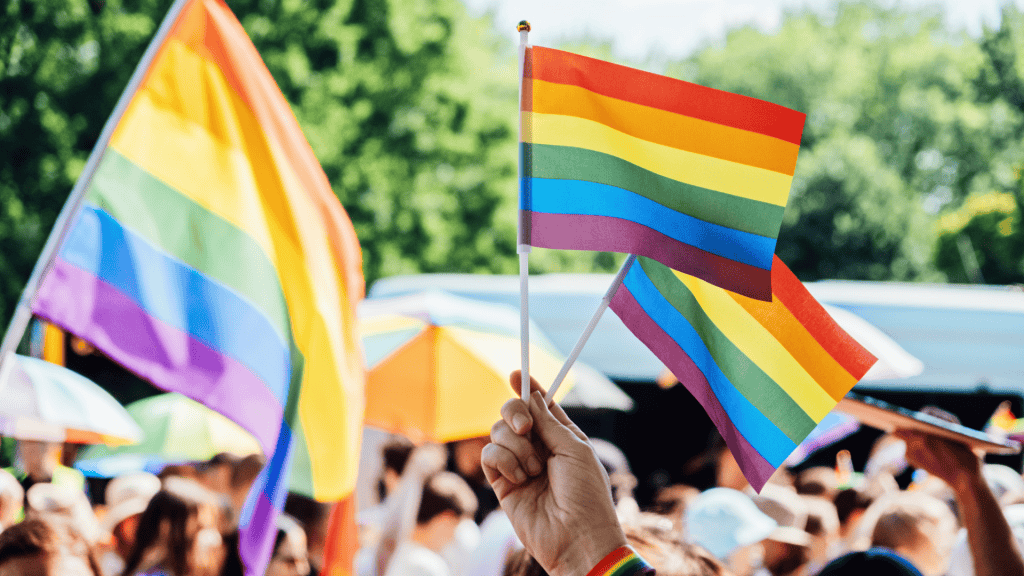
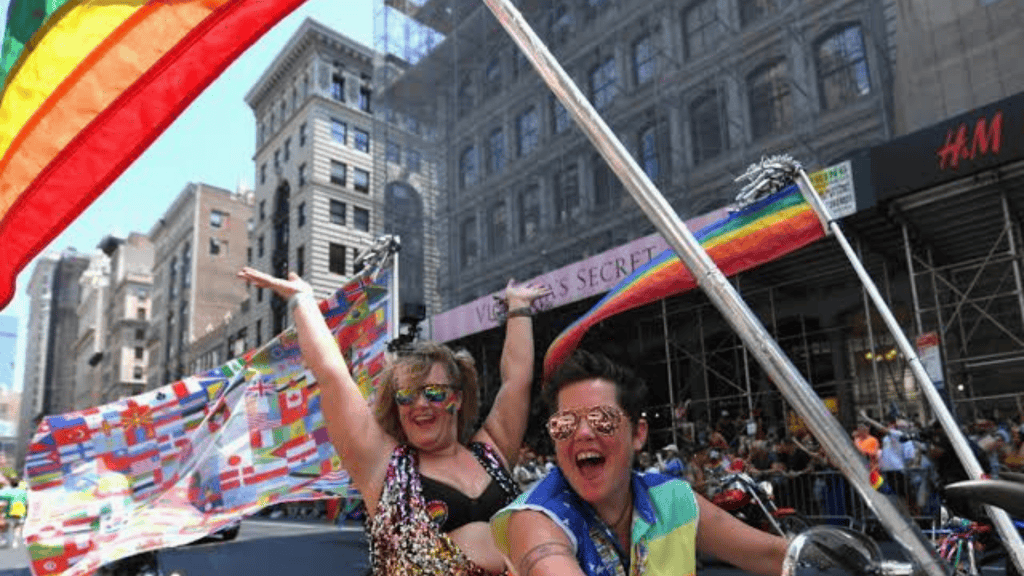
The Pride flag and Rainbow flag are widely recognized as symbols of visibility and inclusion.
While decorations contribute to the atmosphere, respectful staffing remains the most important factor in creating meaningful visitor experiences.
Lessons for Every Organization
The staffing principles demonstrated during Pride events apply far beyond annual celebrations.
Any organization planning public gatherings can benefit from:
- Comprehensive employee training
- Inclusive communication
- Accessibility planning
- Respectful customer service
- Ongoing education
These practices improve operational success while strengthening organizational culture.
Building Strong Company Culture
Inclusive staffing also influences company culture.
When employees feel supported and respected, they often collaborate more effectively and provide better customer service.
Organizations that prioritize inclusive policies help create workplaces where employees feel comfortable contributing ideas and serving diverse communities.
Strong engagement from leadership reinforces these values throughout the organization.
Lessons Beyond Pride
Many inclusion initiatives extend beyond Pride Month.
Organizations often celebrate Black History Month alongside other cultural observances throughout the year.
Recognizing different communities helps promote greater awareness, acceptance, and understanding while encouraging respectful interactions across all public events.
Welcoming Every Guest
Every guest deserves a positive experience.
Whether assisting special guests, families, first-time visitors, or longtime attendees, well-trained staff create welcoming environments through professionalism, empathy, and respect.
These interactions help transform a simple parade or public gathering into a memorable celebration.
Conclusion
Pride Month offers valuable lessons about creating welcoming public events through thoughtful staffing, strong communication, and genuine respect for every individual. From the largest Pride Parade to the smallest neighborhood gathering, successful organizers understand that people—not just programming—shape the attendee experience.
By investing in employee training, promoting diversity, supporting inclusion, encouraging acceptance, and strengthening organizational culture, event organizers can create environments where every member of the community feels valued.
These lessons extend far beyond Pride. Whether planning a concert, conference, sporting event, charity fundraiser, or cultural festival, organizations that prioritize inclusive staffing build stronger relationships, deliver better experiences, and create events that people remember long after the day is over.