
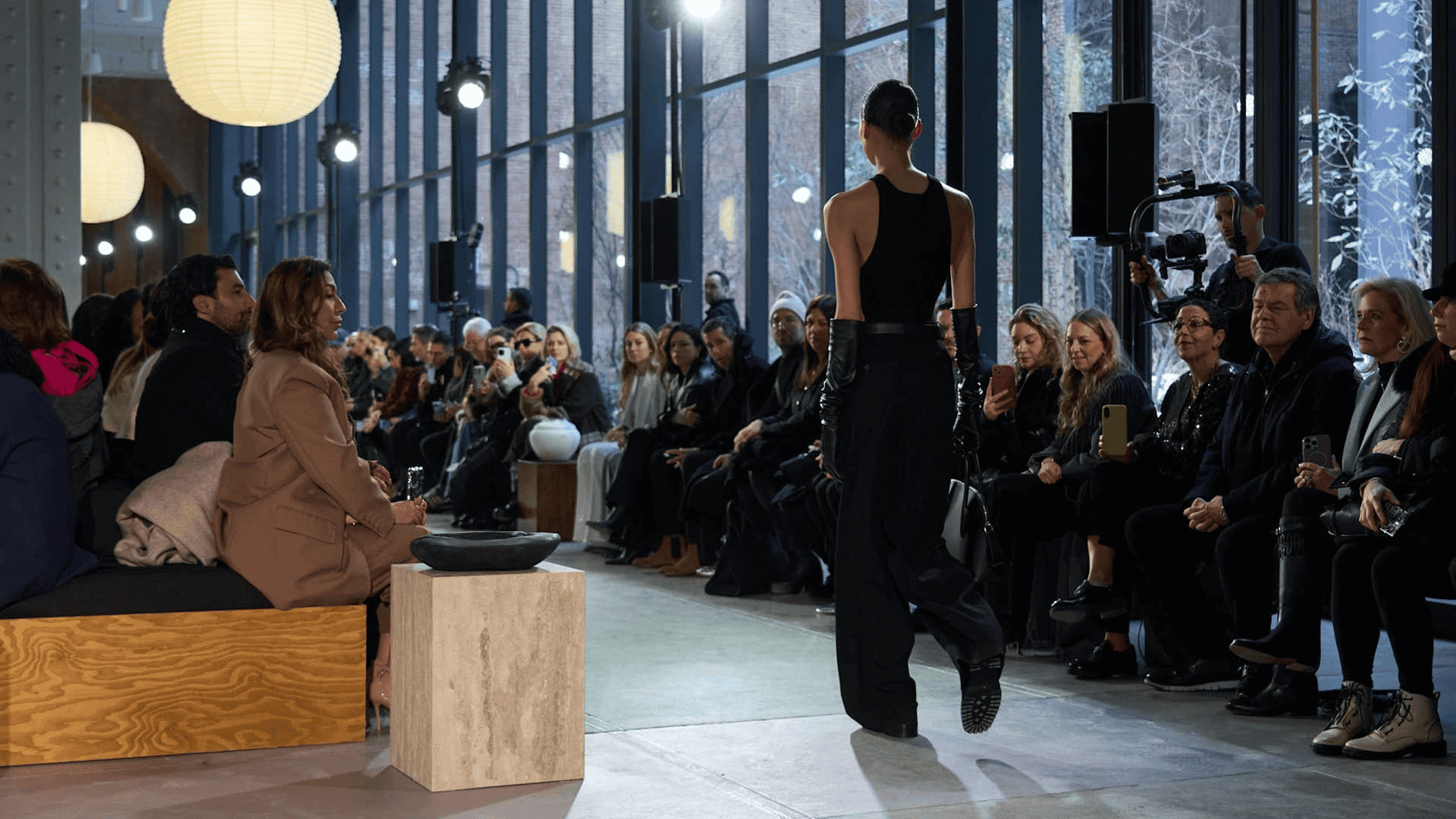
Few events combine creativity, exclusivity, logistics, and spectacle quite like Fashion Week.
From New York Fashion Week to Paris Fashion Week, the world’s most influential fashion gatherings bring together designers, celebrities, buyers, media, influencers, and other industry professionals. While the collections receive most of the attention, another carefully coordinated operation is happening behind the scenes: staffing.
Every successful fashion show depends on people who manage arrivals, direct guests, coordinate seating, support VIP areas, provide hospitality, and solve problems before they become visible.
Understanding what Fashion Week teaches us about high-end event staffing can help brands and organizers create stronger experiences at luxury events, product launches, galas, and other high end events.
Table of Contents
Fashion Week Is About More Than the Runway
The runway may be the focal point, but the complete event begins long before the first model walks out.
The moment guests arrive at the venue, they begin forming an impression.
Was check-in organized? Did staff provide clear directions? Were VIPs recognized? Was the environment polished and professional?
These details matter because fashion is built around presentation.
A fashion brand might spend months developing a collection, planning creative direction, selecting a venue, and coordinating press coverage. Poorly prepared event staff can undermine that work in minutes.
High-quality event staffing protects the experience surrounding the collection.
Every Staff Member Represents the Brand
At premium events, employees are more than operational support. They become an extension of the brand.
Consider a brand ambassador welcoming invited guests. Their appearance, communication style, knowledge, and professionalism all influence how the brand is perceived.
This is particularly important for luxury brands.
Luxury is communicated through details. Guests expect polished interactions, confident assistance, and discreet problem-solving.
For that reason, staffing decisions should consider more than availability.
Teams should evaluate:
- Professional presentation
- Communication skills
- Previous hospitality experience
- Familiarity with premium events
- Ability to remain calm under pressure
- Understanding of the brand
- Ability to anticipate guest needs
The best staff do not simply complete assigned tasks. They help reinforce the atmosphere the event is designed to create.
Fashion Events Require Specialized Roles
A major fashion show involves many moving pieces.
Depending on the format, fashion events may require registration personnel, VIP hosts, ushers, production assistants, promotional models, hospitality professionals, security support, and runway waiters.
Each role requires different skills.
Runway waiters, for example, may be responsible for delivering elevated food and beverage hospitality while maintaining the visual standards expected at a premium event.
Other staff members may focus entirely on managing arrivals or directing attendees.
Specialization matters because simply adding more people does not automatically improve an event.
Effective event staffing means putting the right person in the right role.
New York, London, Milan, and Paris Set the Standard
The international calendar provides excellent examples of how complex fashion operations can become.
New York Fashion Week, London Fashion Week, Milan Fashion Week, and Paris Fashion Week each attract global attention.
Together, these major fashion weeks turn fashion month into a demanding sequence of presentations, parties, dinners, activations, appointments, and shows.
The expectations are high.
A major new york event may bring together media, buyers, influencers, celebrities, and important clients within a limited timeframe. A Paris presentation may emphasize exclusivity and haute couture craftsmanship. Milan may showcase globally recognized fashion houses, while London frequently provides a stage for established and emerging creative talent.
In every city, however, one principle remains the same:
Exceptional events require exceptional preparation.
Guest Flow Can Make or Break the Experience
One of the biggest challenges in premium events is managing movement.
Hundreds of guests may arrive within a narrow window before a fashion show. Everyone needs to check in, navigate the venue, locate their assigned area, and settle before the show begins.
Poor coordination can quickly create long lines and confusion.
Strategic staffing helps prevent those problems.
Personnel can be positioned at key points, including:
- Entrance and credential checkpoints
- Registration areas
- VIP entrances
- Directional points
- Seating sections
- Coat check
- Hospitality areas
- Exit routes
This allows the event to feel effortless, even when significant coordination is happening behind the scenes.
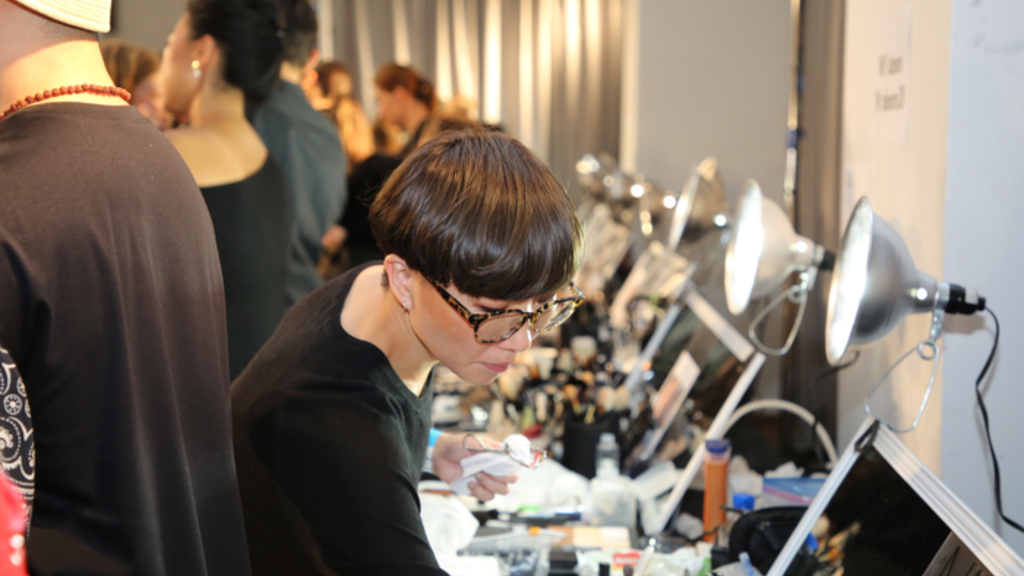
Backstage Success Depends on Preparation
The audience sees the finished presentation.
They do not necessarily see what happens backstage.
Designers, models, stylists, makeup artists, production crews, photographers, and support teams may all be working within tight timelines.
Every minute matters.
A missing item, unclear instruction, or communication delay can affect the schedule.
The same lesson applies beyond the fashion industry.
Whether managing corporate events, product launches, galas, or private dinners, organizers should make responsibilities clear before doors open.
Every staff member should understand:
- Their specific role.
- Who they report to.
- Where they need to be.
- What time they need to be there.
- How to escalate a problem.
Clear expectations allow the team to work confidently.
Hospitality Is Part of the Luxury Experience
High-end fashion is not only visual.
It is experiential.
Guests may interact with hosts, servers, bartenders, ushers, and VIP coordinators throughout an event. Each interaction contributes to their perception of the brand.
That makes hospitality a major component of premium fashion events.
Consider haute couture week. The audience is not simply evaluating clothing. They are experiencing the environment created around a collection.
The lighting, music, invitations, location, refreshments, and staff all contribute to the atmosphere.
Strong hospitality supports that experience without distracting from it.
The goal is seamless service.
Fashion PR and Staffing Must Work Together
Fashion PR professionals spend significant time building relationships with editors, influencers, stylists, celebrities, buyers, and other important contacts.
When those people arrive at an event, operational execution must support the relationships the PR team has developed.
Imagine an important editor arriving and encountering a disorganized check-in process.
Or a VIP guest receiving incorrect directions.
These moments may seem small, but they can influence the entire experience.
Close coordination between event producers, fashion PR, and staffing teams helps ensure everyone understands priority guests, access levels, schedules, and protocols.
Great staffing supports the work happening before, during, and after the event.
Social Media Raises the Stakes
Modern fashion experiences no longer exist only for the people physically attending.
Through social media, moments from a show can reach enormous audiences almost instantly.
Guests post entrances, decorations, cocktails, runway moments, and street style. Content creators document the entire experience.
That means operational mistakes can become visible too.
A chaotic entrance or poorly managed guest area may appear online before the event has even ended.
This is one reason brands increasingly think about experiential marketing alongside traditional event operations.
The physical experience becomes part of the digital story.
Professional event staff help ensure that story reflects the intended image of the brand.
Staffing Should Match the Brand Identity
Not every fashion brand should staff an activation in exactly the same way.
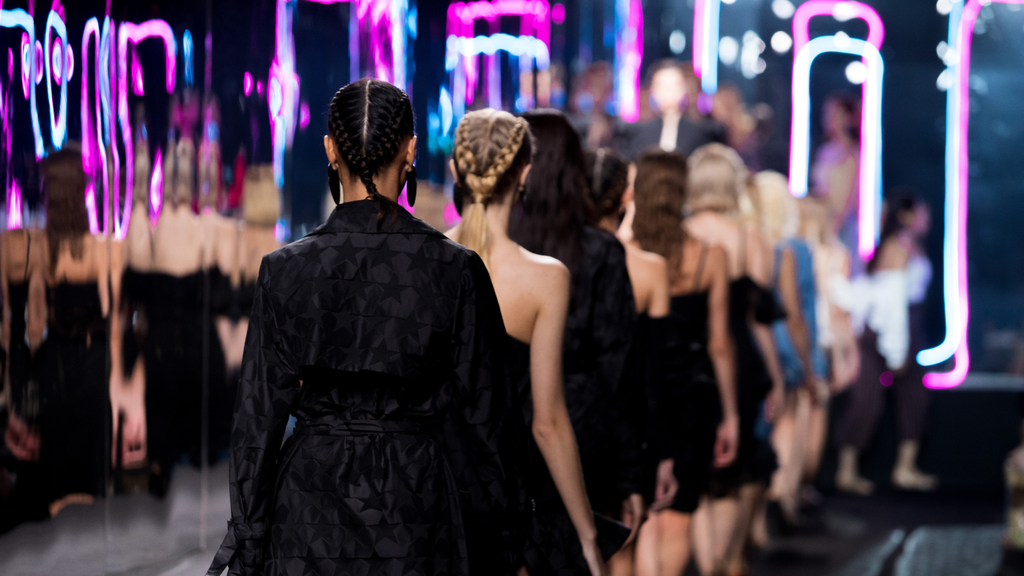
A youthful streetwear label may want energetic, highly social promotional models. A heritage luxury house may prioritize understated professionalism and discretion.
A bold emerging designer may create an immersive activation where staff become part of the creative concept.
Understanding the identity of the brand is essential.
Before assigning personnel, staffing partners should understand:
- Who is attending?
- What is the tone of the event?
- How formal is the experience?
- What should employees wear?
- What level of product knowledge is necessary?
- What behaviors should represent the brand?
This is where premium event staffing becomes part of the creative strategy rather than merely a logistical requirement.
The Showroom Requires a Different Approach
Not every important fashion interaction happens on a runway.
A showroom may host buyers, stylists, editors, and clients over several days.
The atmosphere is different, but the need for professional staff remains.
Employees may welcome visitors, manage appointments, organize refreshments, provide directions, or support the sales and PR teams.
Because a showroom environment often involves more personal interactions, professionalism becomes especially important.
The experience should feel polished without feeling impersonal.
Fashion Shows Teach Us to Expect the Unexpected
Even carefully planned shows can encounter last-minute changes.
A VIP arrives early.
Another guest brings an unexpected plus-one.
Weather affects transportation.
A vendor is delayed.
The schedule changes.
A space becomes more crowded than expected.
Strong staffing provides flexibility.
Experienced staff can adapt without making every change obvious to guests.
This ability is particularly valuable at luxury events, where maintaining a sense of control is part of the experience.
The goal is not to eliminate every unexpected situation.
It is to prepare people to handle those situations professionally.
Major Cultural Events Offer Similar Lessons
The same principles extend beyond traditional runway events.
The Met Gala, for example, demonstrates how closely fashion, celebrity culture, media, exclusivity, and event production can intersect.
Every highly visible gathering requires careful coordination.
Arrival management matters. Guest lists matter. Security matters. Hospitality matters.
Most importantly, people matter.
Beautiful decor cannot direct a confused guest.
Technology cannot replace every human interaction.
The right staff can solve problems in real time.
Fashion Is Built Around Details
The fashion industry constantly reminds us that details create the final impression.
A collection may reflect the latest trends, but craftsmanship and execution determine how it is received.
The same principle applies to events.
A beautiful venue and impressive guest list are not enough.
The experience depends on dozens of smaller operational decisions, including how many employees are scheduled, where they are positioned, what training they receive, and how effectively they communicate.
For fashion designers and fashion houses, protecting the presentation of the collection is essential. The behind the scenes is key.
For other organizations, protecting the presentation of the brand should be just as important.
What High-End Events Can Learn From Fashion Week
So, what Fashion Week teaches us about high-end event staffing is ultimately about precision.
Premium experiences require people who understand that every interaction matters.
The biggest lessons include:
- Hire for professionalism, not just availability.
- Match staff to specialized roles.
- Train employees on the brand and the experience.
- Plan carefully for arrivals and guest movement.
- Coordinate closely with production and PR teams.
- Prepare backup plans for unexpected situations.
- Treat hospitality as part of the overall creative experience.
From runway presentations to corporate events, these principles can help organizations deliver more polished experiences.
The People Behind the Experience Matter
Fashion Week may be known for designers, models, celebrities, and the latest trends, but successful events depend on far more than what appears on the runway.
Behind every smooth arrival, perfectly timed presentation, and well-managed VIP area is a team of trained professionals.
Strategic event staffing helps transform a creative concept into an experience people can actually enjoy.
Whether the occasion involves haute couture, an intimate brand dinner, an experiential marketing activation, or another type of premium gathering, the principle remains the same.
Great fashion is intentional.
Great staffing should be too.
When the right people are selected, trained, and positioned effectively, they become part of the experience itself—helping every event feel polished, controlled, and worthy of the brand behind it.