
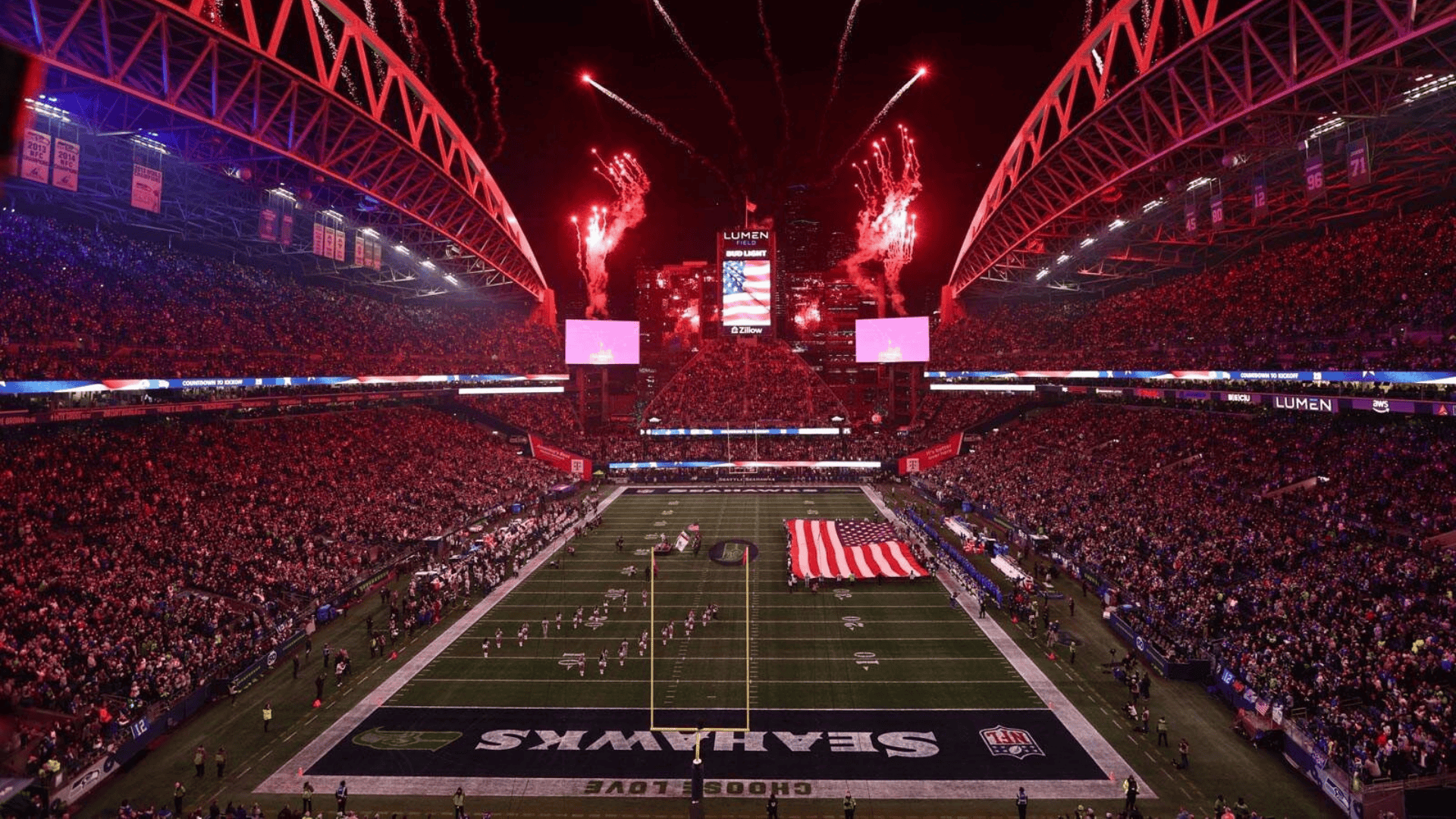
The NFL is one of the biggest sports operations in the United States. Every week, millions of fans follow their favorite teams, track players, debate coaching decisions, and prepare for another game day.
But behind every kickoff is an enormous workforce responsible for making the event happen.
From security and guest services to concessions, hospitality, parking, premium seating, and event operations, successful football events require far more than simply scheduling employees for a few hours.
Understanding what the NFL season teaches us about ongoing sports staffing means looking at how professional sports organizations prepare for change, maintain consistency, and adjust their workforce throughout a long and unpredictable season.
Table of Contents
A Sports Season Is a Marathon, Not a Single Event
One of the biggest lessons from the NFL is simple: preparation cannot stop after opening day.
The regular season creates months of operational demands. Every home game brings another round of planning, scheduling, training, and execution.
An NFL team cannot prepare for the first game and assume the same plan will work perfectly for the rest of the year.
Conditions change.
Attendance can fluctuate. Weather can create new challenges. Primetime games may generate different crowds. Rivalries can increase demand. A team’s performance can even affect fan enthusiasm and attendance patterns.
The same principle applies to event staffing.
Organizations need a workforce strategy that can adapt throughout the season rather than treating every event as identical.
NFL Teams Are Constantly Adjusting
Adaptability is built into professional football.
Consider how NFL teams manage their rosters. The lineup that begins training camp may look very different later in the year.
Injuries happen. Players develop. Roles change. A player may move into a larger role because of another athlete’s absence or because his performance has improved.
The coaching staff constantly evaluates what is working and what needs adjustment.
Event staffing should operate with a similar mindset.
After every event, managers should ask:
- Did we have enough people at every entrance?
- Which concession areas experienced the longest lines?
- Were premium spaces properly covered?
- Did parking and transportation operations run smoothly?
- Were there periods when employees were underutilized?
- Where would additional training improve performance?
Each event provides useful information for improving the next one.
Staffing Needs Can Change From Game to Game
No two games are exactly alike.
A matchup involving the Kansas City Chiefs may create different operational needs than another matchup on the schedule. Games involving longtime rivals can generate additional excitement, while late-season games with playoff implications may attract heightened attention from fans.
Teams including the Minnesota Vikings, Seattle Seahawks, Tampa Bay Buccaneers, San Francisco 49ers, Indianapolis Colts, Miami Dolphins, and Arizona Cardinals all operate in different markets and venues.
Those differences matter.
A staffing plan should consider factors such as expected attendance, arrival patterns, weather, transportation, premium hospitality demand, and event timing.
A Thursday night game, Sunday afternoon game, and Monday night game may require different workforce strategies.
That is why ongoing staffing needs to be flexible.
Build a Reliable Core Team
Consistency is just as important as flexibility.
Organizations benefit from having experienced employees who return throughout the season. These workers already understand the venue, procedures, expectations, and common guest questions.
Think about how an NFL team values continuity.
A head coach relies on coordinators, position coaches, support professionals, and experienced players to maintain systems throughout the season.
The offensive coordinator does not want to explain the entire playbook from scratch before every game. In the same way, event managers should not have to completely retrain an entire workforce before every event.
A reliable core team can help:
- Maintain operational standards
- Support newer employees
- Reduce repeated training
- Improve communication
- Identify problems faster
- Create a more consistent experience for fans
Returning staff become increasingly familiar with the venue and its needs.
Create Depth for High-Demand Events
Continuity does not mean using exactly the same number of employees every time.
Professional football teams build roster depth because they know unexpected changes are inevitable.
Event operators need depth too.
A normal Sunday game may require one staffing level, while a playoff game or Super Bowl-related event could require significantly more support.
Maintaining a pool of trained workers makes it easier to scale when demand increases.
The strategy resembles roster planning. A general manager evaluates available talent and prepares for different scenarios. Similarly, event managers need to know which employees can step into additional roles when demand changes.
The goal is not simply having more people.
It is having the right people available when they are needed.
Learn From Every Game Day
Professional sports organizations constantly evaluate performance.
After a game, NFL coaches review what happened. They look at decisions, execution, individual players, and opportunities for improvement.
Event operations teams can take a similar approach after every game day.
Instead of waiting until the end of the season, managers can gather feedback immediately.
Was one entrance understaffed?
Did fans struggle to find assistance in a particular section?
Were employees unclear about a policy?
Did a concession location need additional workers?
Small improvements made consistently throughout the season can create significant operational gains.
By the final home game, the staffing strategy should be stronger than it was at the beginning of the year.
Different Roles Require Different Skills
NFL rosters demonstrate another important staffing principle: specialization matters.
A wide receiver has a different role than an offensive lineman. Wide receivers train for different responsibilities than defensive backs or quarterbacks.
Event operations work the same way.
Not every employee should be treated as interchangeable.
Someone who excels at checking credentials may not be the strongest fit for VIP hospitality. A worker who thrives in a fast-moving concession environment may have different strengths from someone assigned to guest relations.
Effective sports staffing identifies those differences.
The goal should be to match employees with positions where their abilities can contribute most effectively.
Talent Development Matters
The NFL is constantly developing talent.
The NFL Draft brings new players into the league every year, but being selected is only the beginning. Rookies still need coaching, practice, preparation, and experience.
Take Travis Hunter, for example. Like other highly followed young NFL players, entering the professional level brings new systems, expectations, and responsibilities.
Event workers also benefit from development.
New employees may begin with basic responsibilities and gradually move into leadership or specialized positions as they gain experience.
A strong staffing partner can help organizations identify reliable workers and create opportunities for them to take on additional responsibility.
Development strengthens the workforce over time.
Leadership Shapes the Entire Operation
Strong teams need strong leadership.
Whether discussing head coaches, a head coach, or individual position coaches, leadership helps define expectations and maintain accountability.
The same is true for sports event staffing.
Supervisors should understand:
- What success looks like for their area.
- Which employees are responsible for each task.
- How to respond when demand changes.
- Who to contact when a problem requires escalation.
- How to communicate updates quickly.
Without effective leadership, even a large workforce can become disorganized.
With strong leadership, employees are more likely to understand their responsibilities and work together efficiently.
Plan for the Unexpected
NFL seasons rarely unfold exactly as predicted.
A starting player may be unavailable. A rookie may exceed expectations. A veteran may take on a different role.
Teams such as the Detroit Lions, Cleveland Browns, Jacksonville Jaguars, and Packers must continually adapt to developments throughout a season, just like every other franchise.
Individual storylines also change rapidly. Baker Mayfield and other quarterbacks can become major parts of the conversation around a season, while fantasy football players track statistics and roster changes almost constantly.
For event operators, unpredictability comes in different forms.
Bad weather may change arrival times. Transportation delays can create sudden surges. An employee may call out. A section may unexpectedly become crowded.
Flexible staffing gives managers options when those changes happen.
Workforce Management Requires Responsible Data Practices
Ongoing staffing also involves managing employee records and workforce information.
Organizations may need availability, training records, role qualifications, scheduling preferences, and other details to place employees effectively.
When that includes personal information, it should be handled responsibly and only by authorized personnel according to applicable policies and requirements.
Professional sports provides a useful reminder that workforce management extends beyond what happens in public.
Organizations such as the NFL Players Association deal with employment-related matters affecting NFL players, while teams maintain dedicated player personnel functions.
Event companies likewise need organized processes behind the scenes.
Every Market Has Different Requirements
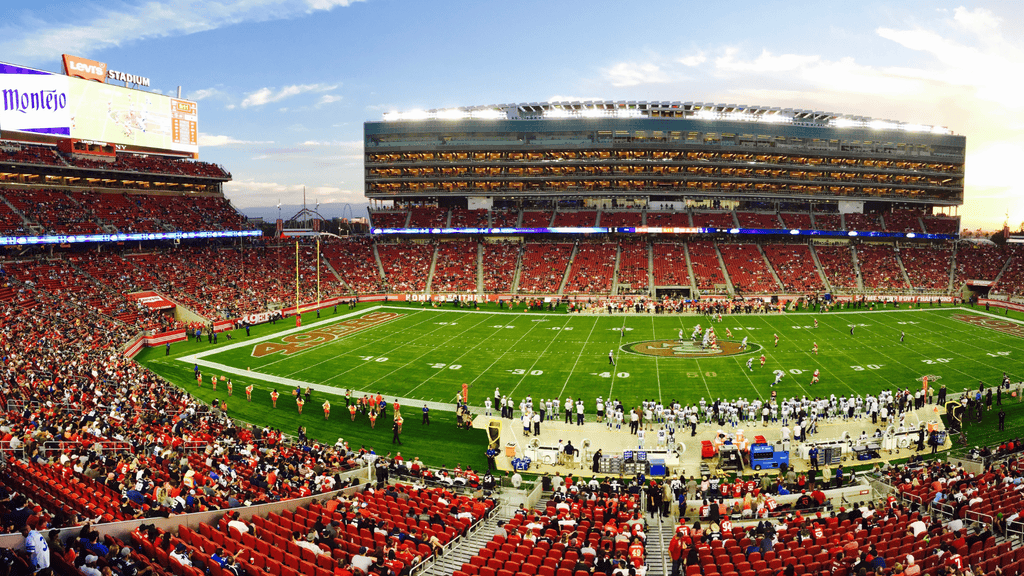
There is no universal staffing formula for every stadium.
The Vikings operate in a different environment than teams in warmer climates. The Cardinals face different local conditions from Tampa.
Even when attendance numbers are similar, the way fans arrive, move through the venue, purchase food, and use hospitality spaces can differ.
That means organizations should avoid copying a staffing plan simply because it worked somewhere else.
Instead, evaluate the specific venue, audience, schedule, and operational requirements.
A successful plan is built around the event itself.
Think Beyond Kickoff
One of the most important sports staffing lessons is that work does not begin at kickoff.
Employees may be needed hours before fans enter the stadium.
Parking teams prepare arrival areas. Security teams organize checkpoints. Hospitality teams prepare premium spaces. Concession workers stock stations. Guest-service employees review procedures.
After the game, work continues.
Crowd movement, transportation, cleanup, inventory, breakdown, and other responsibilities can extend well beyond the final whistle.
Effective staffing accounts for the complete event lifecycle.
Consistency Creates Better Experiences
The best event operations can make complex logistics feel effortless to fans.
That does not happen accidentally.
It comes from planning, communication, training, leadership, and continuous improvement.
Just as players work throughout the season to improve their performance, event organizations should continuously evaluate how their workforce is performing.
That means identifying strong employees, addressing gaps, adjusting schedules, preparing backups, and learning from each event.
The NFL Offers a Blueprint for Ongoing Staffing
From the NFL Draft to the postseason, professional football demonstrates the value of planning for an entire season rather than a single moment.
An effective NFL team develops players, prepares backups, evaluates performance, and adjusts when circumstances change.
Sports event staffing should follow the same fundamental principles.
Build a dependable workforce. Develop employees. Prepare for changing demand. Learn from each event. Put people in roles where they can succeed.
Whether the stadium is hosting the Tampa Bay Buccaneers, San Francisco 49ers, Seattle Seahawks, or another franchise, the operational objective remains consistent: create a safe, organized, enjoyable environment for everyone who walks through the gates.
Because a successful season requires much more than great athletes on the field.
It requires the right team behind the scenes, too.