
Running staffing for a county fair is like choreographing a three-week parade that never stops moving: gates open early, headliners go on at night, animals need feeding before sunrise, and midway lights stay blazing until close. If you get the people plan right, everything else feels smoother—guests smile more, vendors sell more, safety incidents stay low, and the fair earns the community goodwill it needs to return even stronger next year.
This guide distills practical staffing lessons from one of the nation’s most complex and beloved fairs—the LA County Fair at Fairplex in Pomona. It draws on public information about attendance trends, hiring practices, and the event’s evolving footprint, then translates those realities into an operations-ready staffing playbook you can adapt to your own large-scale fair.
Quick context: The LA County Fair drew roughly 787,843 guests in 2024 (an 8% bump over 2023) across a 16-day run, reinforcing its status among the largest U.S. county fairs. It returned May 2–26, 2025 for its 103rd anniversary, with expanded attractions and nightly concerts. Those volumes and hours shape everything about staffing: recruiting velocity, training cadence, crowd management, and guest services.
Start With the Fair’s Operating Reality
Every staffing plan should begin with a brutally honest picture of what you’re fielding—scale, hours, and risk points.
Attendance & dwell time.
Expect prolonged peaks on weekends and concert nights; LA County Fair includes a major carnival with 40+ rides and large-draw entertainment that concentrates arrivals and compresses labor at gates, parking, and crowd control. Build staffing curves that follow show schedules and midway throughput, with surge headcount 60–120 minutes before and after headline acts.
Site complexity.
Fairplex spans ~500 acres and hosts hundreds of events annually—logistics are sophisticated even before you add the fair. Map labor not only by zone (gates, midway, livestock, food halls, arenas) but also by circulation nodes (ticketing queues, tram stops, choke points between attractions). Plan for travel time between posts; a five-minute late relief can cascade across a zone.
Season & schedule.
LA County Fair shifted to a May calendar in recent years. Daytime heat can still affect staff endurance; spring evenings can be chilly (2024 was dubbed the “coolest” fair), which changes uniform needs and guest behavior. Weather-aware scheduling keeps morale up and risk down.
Design a Lean, Clear Org Chart
Gaps in supervision sink fairs more often than raw headcount shortages. Borrow this structure and size it to your scale:
- Command Center (24/7 during fair run): Staffing director, safety lead, security vendor lead, dispatch, HR/employee relations, and scheduling analyst.
- Zone Captains (one per major footprint: Gates & Admissions, Parking/Transportation, Midway & Rides, Food & Beverage Halls, Livestock & Agricultural Education, Concerts/Arenas, Family/Discovery zones).
- Function Leads (training, accreditation/badging, payroll/timekeeping, radio communications).
- Vendor Liaisons (commercial vendors, food vendors, carnival operator, and external security partner).
At a large fair, you’ll also coordinate tightly with a third-party event security firm. LA County Fair publicly partners with Allied Universal for event staff/security, parking attendants, and parking sellers—roles that cover bag checks, access control, traffic direction, and guest service. Even with a vendor, treat security posts like your own: shared SOPs, shared radios, shared metrics.
Workforce Mix: Right People, Right Posts
Core categories you’ll staff:
- Admissions & Guest Services: Ticket scanning, ADA assistance, stroller/wheelchair rentals, information booths, lost & found, guest recovery.
- Parking & Transportation: Sellers, attendants, traffic flaggers, shuttle drivers/dispatch, rideshare zones.
- Security & Crowd Management: Bag check, magnetometers, stage barricades, back-of-house access control, overnight patrol. (Often vendor-supplied; integrate fully.)
- Midway Operations: Coordination with the carnival operator; ride inspection escorts; queue management for marquee rides; E-stop awareness.
- Food & Beverage Halls: Line control, seating turnover, compost/recycling stations, back-of-house corridors.
- Agriculture & Livestock: Barn attendants, educational docents, biosecurity runners, 4-H/FFA liaison.
- Entertainment & Nightly Concerts: Gate checks, ticketing overlays (most concert tickets include fair admission at LA County), crowd flow, egress waves at 7:30 p.m. showtimes and after.
- Facilities/Utilities: Restroom stewards, custodial floaters, water refill stations, waste streams, setup/strike.
- Overlay/Pop-Ups: Special exhibits, skate rinks, art studios, culinary demos—each with their own queue and safety profile.
Staffing ratios to consider (starting points, then calibrate):
- Admissions: 1 scanner per 300–400 peak-hour entries (adjust for ticket type mix and bag checks).
- Bag Check/Mags: 1 screener per 200–250 guests per hour per lane at family fairs; 1 lane per 1,000–1,500 peak-hour entries.
- Parking Sellers: 1 per 150–200 transactions/hour; attendants about 1 per 75–100 spaces in active turnover zones.
- Guest Services Booths: One fully staffed booth per 10,000–15,000 concurrent attendance, with roaming ambassadors at 1 per 5,000.
- Concert Barricades: 1 security steward per 100–150 attendees in GA standing zones; add pit teams and medics as separate units.
These benchmarks should be validated with your own ingress timing studies and carnival throughput logs.
Recruiting at Scale (60–120 Days Out)
Large fairs require a sprint: you’ll hire hundreds of seasonal team members in weeks. Mirror the LA County Fair playbook:
- Centralized Job Fairs. Fairplex hosted a dedicated Job Fair on March 15, 2025 for the May run. Replicate the cadence: one big fair 6–10 weeks out plus rolling open interviews. Invite security and parking partners to co-locate, so applicants can land either a fair role or a vendor role in one trip.
- Role-specific pipelines. Security vendors often run their own hiring blitzes with clearly advertised pay differentials (e.g., $16.50/hour without a California guard card and $17.50/hour with one). Signal these details early to set expectations and accelerate credentialing.
- Community partners. Engage local colleges, ROTC programs, workforce boards (Orange County and LA County workforce solutions often boost fair hiring announcements), and veteran organizations—mirroring Allied Universal’s veteran-friendly messaging.
- Availability-first screening. Ask applicants to submit availability windows before interviews. Prioritize candidates who can cover late nights/weekends and back-to-back shifts within legal limits.
Offer letters within 48 hours of interviews. Seasonal workers shop offers; speed wins.
Pay, Perks, and Retention
Seasonal staff churn is your enemy; reduce friction:
- Transparent pay ladders tied to credentials (e.g., guard card), critical posts (concert barricade), and shift premiums (close, weekend). Benchmark against local postings to stay competitive; LA County Fair’s security postings make wage floors public.
- Weekly pay (standard for many event vendors) and instant wage access options if possible.
- Commute support: Free parking, shuttle passes, or rideshare codes for late egress.
- Meals & breaks: Feed people on doubles, always. If you can’t subsidize meals, arrange vendor vouchers or a “crew café” with fixed-price combos.
- Back-to-back scheduling logic: Never more than 6 consecutive days; cap doubles; enforce 10-hour turnarounds for safety.
- Recognition culture: Daily “line-up kudos,” supervisor shout-outs, and a “Golden Radio” award for problem-solving.
Training: Build Muscle Memory Fast
Think of training as three escalating layers:
Layer 1 — Core Orientation (2–3 hours):
- Fair values and guest-first philosophy.
- Anti-harassment, DEI, and ADA sensitivity.
- Timekeeping, pay, uniform, and parking logistics.
- Radios, call signs, and escalation ladder.
- Emergency basics (stop, secure, summon; E-stops are for ride ops but every staffer understands the language).
Layer 2 — Role/Zone Practicum (2–4 hours):
- Practice scanning/ticket issue resolution; simulate barcodes that fail.
- Bag check drills and magnetometer etiquette (privacy, pace, prohibited items scripts).
- Parking flagging patterns and hand signals in a live lot.
- Queue setup: stanchion geometry matters; walk the layout.
- Concert egress mapping: Where do waves go? Who holds at choke points?
Layer 3 — Live Rehearsal (2–3 hours during soft open/preview):
- Staff the real posts with a skeleton crew and supervisors shadowing; capture bottlenecks.
- Practice hand-offs at shift change—it’s where mistakes multiply.
If using a security vendor, integrate their SOPs and legal standards (e.g., bag checks, access control) into your core training so guest experience feels seamless. Allied Universal, for example, highlights duties like bag checks, access control, and “enforcing policies and procedures for the safety of guests”—make sure your internal playbooks match the tone and steps their teams use on the ground.
Scheduling & Rostering: Treat It Like Air Traffic Control
a) Build by curve, not by average.
Use 15-minute arrival forecasts keyed to concert start times (7:30 p.m. at LA County Fair) and major parade/show blocks. Stage swing teams you can deploy to gates seeing higher bag-check dwell times or to midway queues when a viral food item spikes demand.
b) Two layers of redundancy.
For every 30 frontline workers, schedule one relief floater who can cover extended breaks, medical pulls, or redeployments. For each zone captain, assign a deputy.
c) Treat radios as a schedule.
Map channel assignments to posts; at a glance, you should know if Gate B is at “two scanners, one screener, one lead” by which radios are live. Keep extra charged batteries in labeled bins at each zone base.
d) Respect legal limits.
California break compliance is real: 10-minute paid rest every 4 hours; 30-minute unpaid meal before the 5th hour; second meal on long shifts. Build a break matrix and give it to supervisors so compliance isn’t optional.
Crowd Management: Ingress, Egress, and Everything Between
Big fairs are crowd-flow machines. Three principles:
1) Ingress friction belongs outside the gate.
Place wayfinding, will-call, troubleshooting, and bag-size education in the pre-gate zone so scanners can focus on scanning. In LA County Fair’s model, security handles bag checks and access control—position those lanes to keep ticket lanes moving forward in parallel, not series.
2) Egress is an event, not an afterthought.
Concert nights create 30–40 minute crush egress windows. Stage “wave marshals” at pinch points, reset stanchions for outbound flow, and add mobile lights and PA carts to guide people to shuttles/rideshare. Concerts at LA County Fair include fair admission, so some guests arrive late and leave late; tune egress staffing past posted closing.
3) Eyes on the middle.
Midway congestion isn’t just about ride lines—it’s the triangle of food hit, photo moment, and marquee ride. Use roving teams with stanchions-on-wheels to pop up short-term queues, and empower them to re-stripe pedestrian lanes with chalk/duct where vendors or performers create eddies.
Guest Services That Actually Defuse Problems
Information booths as command outposts.
Staff with your best troubleshooters—people who love solving puzzles. Give them: ticketing override authority (within bounds), a stash of universal meal/drink vouchers for guest recovery, lost child protocols, and a real-time map to reunite families. On heavy days, add language tags (Spanish, Chinese, Tagalog) on name badges; LA County is linguistically rich, and multilingual staff reduces escalations.
Lost & found and lost children.
Pre-write the scripts. Every team member should know the immediate “lock-in” protocol for a missing child (who calls it, who posts at gates, who checks restrooms). Keep a quiet room near Guest Services with water, snacks, and soft seating.
ADA assistance.
Train for mobility devices, show routes with least grade and fewest obstructions, and place seating oases in hot zones. Provide a separate ADA queue at bag check and scanning where feasible.
Vendor & Partner Integration
Large fairs live or die by partner alignment. LA County Fair actively recruits commercial vendors and food partners, offering booth packages with power, pipe and drape, and staff admission/parking passes—your staffing plan must recognize those entitlements and their choke points at load-in.
Load-in/Load-out staffing:
- Dock marshals to stage trucks and enforce time windows.
- Electric & safety walk-throughs before opening.
- Vendor credentialing that prints passes in <2 minutes (anything longer creates a day-one line of angry sellers).
- Waste/grease teams on AM/PM shifts—F&B vendors need predictable pickups.
Daily vendor support:
- A Vendor Help Desk with spare POS cables, surge strips, tape, gloves, and signage blanks.
- A runner team for emergency supplies so vendors aren’t deserting booths.
Revenue protection:
- Sampling rules, line-of-sight standards, booth frontage limits, and amplified sound windows—staff to enforce fairly and consistently.
Technology That Keeps the Crew Clicking
- Scheduling & timekeeping with mobile self-service: staff can swap shifts within rules; supervisors approve on the fly.
- Incident management app tied to radio call signs; every safety/security report produces a ticket with time, GPS, and photos.
- Ingress analytics (turnstile scan counts + mag lane throughput) so you can move screeners dynamically.
- Digital wayfinding for guests and staff, including a “last cleaned” time stamp for restrooms to reduce complaints.
- Payroll readiness for multiple employers (your staff, security vendor, carnival operator temp crews) so hours and breaks are logged under the correct entity.
Conclusion
The LA County Fair works because it blends big-city entertainment with hometown hospitality—skating rinks, culinary demos, and headliner concerts wrapped around barns, quilts, and Ferris wheels. That mix creates complex staffing challenges, but also gives you countless moments to delight a guest—helping a grandparent find shade, reuniting a kid with a lost backpack, or turning a long line into a five-minute smile with good signage and a friendly “you’re almost there.”
If you build a plan that honors both the scale (hundreds of thousands of people, multiple venues, nightly shows) and the spirit (patient, friendly, safe), your county fair can earn the same kind of community loyalty that keeps LA County Fair fans coming back year after year. And when your staff finishes the run a little tired but a lot proud, you’ll know you got the most important part right.
Every summer, music lovers from around the world descend on Milwaukee, Wisconsin for an event unlike any other. Known as “The World’s Largest Music Festival,” Summerfest has earned its title through a mix of size, history, diversity, and innovation. From hosting world-class acts to running powerful experiential marketing campaigns, this Milwaukee staple is more than a concert—it’s a cultural institution.
A Record-Breaking Reputation
Summerfest first earned its spot in the Guinness World Records in 1999 as the largest music festival globally. Even though other festivals like the Glastonbury Festival or events in Las Vegas have grown in popularity, none consistently match the sheer number of attendees that Summerfest attracts year after year.
- Location: Held at the Henry Maier Festival Park on the shore of Lake Michigan.
- Duration: Spanning over multiple weekends in late June and early July.
- Attendance: Over 800,000 people have attended in peak years.
- Nickname: Often referred to as the “Big Gig” by locals and fans alike.
The Heart of Milwaukee’s Festival Culture
The festival is organized by Milwaukee World Festival Inc., a nonprofit that curates a dynamic lineup and supports year-round community engagement. Summerfest grounds are more than just stages—they’re a year-round centerpiece of the city’s cultural life. Milwaukee World Festival Inc. not only brings global music acts to town, but also creates a space for locals to celebrate heritage, cuisine, and traditions. These cultural festivals build community pride and highlight the city’s rich immigrant history. From bratwursts at German Fest to polkas at Polish Fest, and pasta-filled nights at Festa Italiana, the grounds turn into a melting pot of traditions.
Venue Highlights
BMO Pavilion
A stunning lakeside venue that offers breathtaking views of Lake Michigan while hosting both rising stars and legendary performers. With reserved seating and state-of-the-art acoustics, it’s a go-to for fans who want a premium concert experience.
Miller Lite Oasis
Known for its electric dance music and party atmosphere, this venue pulses with energy. It’s a favorite for fans of electronic dance music and pop, often featuring high-energy performances, LED light shows, and late-night DJ sets that turn the stage into a dance floor.
Aurora Pavilion
Offers an intimate setting for rising stars and regional talent, giving fans a chance to discover new music in a cozy environment. With smaller crowds and close-up views, it’s perfect for music lovers seeking a more personal, laid-back vibe.
Northwestern Mutual Community Park
Designed with families in mind, this venue includes a performance stage, playgrounds, and kid-friendly activities. It’s a hub during the day for family fun and community programming.
Stratton’s Big Backyard
A relaxed, shaded venue where folk, Americana, and local acts often perform. It’s an oasis for those looking to enjoy live music in a more mellow and nature-inspired setting.
Each venue at Summerfest is carefully crafted to enhance the fan experience, reinforcing why this festival continues to lead the way in hosting festivals that bring people together from all walks of life.
A Star-Studded Lineup
From legendary acts to current chart-toppers, the Summerfest stage has hosted some of the biggest names in music:
- Stevie Wonder
- Jason Aldean
- Megan Thee Stallion
- Zac Brown Band
- Lil Wayne
- Dave Matthews Band
- Benson Boone
Whether you’re into rock, hip-hop, pop, country, or electronic music, there’s a stage for every taste.
Experiential Marketing That Connects
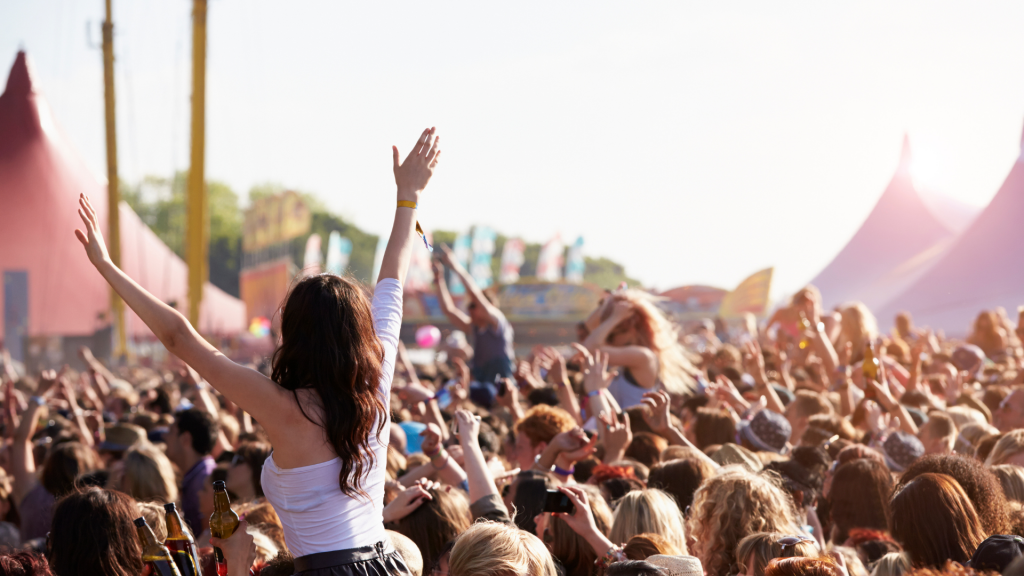
Why Summerfest is known as “The World’s Largest Music Festival” isn’t just about numbers—it’s also about the quality of the experience. Brands tap into the power of the event with smart, immersive activations.
Key Tactics Used
- Experiential Marketing: From interactive booths to pop-up lounges and product trials, brands create memorable moments that engage all the senses.
- Influencer Programs: Local and national influencers are invited to attend and share their Summerfest experiences with massive online audiences.
- Brand Ambassadors: Trained staff engage with festival-goers to create brand touchpoints through games, giveaways, and face-to-face interactions.
A Diverse Musical Experience
What makes Summerfest unique among other world festivals is its incredibly diverse lineup and inclusive atmosphere. While many music festivals specialize in one genre—such as electronic dance music or hip-hop—Summerfest embraces it all.
- Genre Diversity: Rock, pop, country, rap, indie, EDM, and everything in between.
- Stage Variety: Each stage has its vibe and community, from Stratton’s Big Backyard for folk and family acts to the Miller Lite Oasis for high-energy EDM shows.
- Cultural Inclusion: Integrating heritage festival elements, such as those seen at Polish Fest and German Fest, gives Summerfest a unique multicultural flair.
Perfectly Positioned in Downtown Milwaukee
Summerfest’s location along Lake Michigan not only provides a beautiful backdrop but also puts the festival within walking distance of downtown Milwaukee’s best attractions. The festival grounds are a short hop from museums, restaurants, and public transport, making it easy for locals and tourists alike.
- Nearby Attractions: Milwaukee Art Museum, Public Market, and the historic Third Ward.
- Historic Roots: The festival originally started at Milwaukee County Stadium, growing rapidly from humble beginnings.
Community and Family Focus
Milwaukee World Festival Inc. is committed to serving the local community. The nonprofit ensures that Summerfest remains affordable and accessible, offering:
- Discounted Admissions
- Community Performance Opportunities
- Family Days and Kid-Friendly Zones
The Northwestern Mutual Community Park is a shining example of how the festival balances adult fun with family engagement.
Summerfest in the National Spotlight
The Milwaukee Journal Sentinel and other major outlets provide regular festival updates and exclusive interviews with artists. National media often refer to Summerfest as a leading example of successful large-scale event management in the United States.
- Media Coverage: Extensive coverage by music publications, blogs, and TV outlets.
- Global Reach: Attendees come from across the U.S. and even internationally.
A Model for Hosting Festivals
When people ask why Summerfest is known as “The World’s Largest Music Festival,” the answer lies in its ability to deliver a world-class experience at scale, year after year. Other festivals, from the New Orleans Jazz Heritage Festival to events in Las Vegas and abroad, look to Summerfest as a model.
- Infrastructure: 75-acre permanent grounds at Henry Maier Festival Park.
- Consistency: Over five decades of innovation and community focus.
- Scalability: Successfully accommodates hundreds of thousands without losing charm.
Festival Fun in the Heart of Summer
The July fun at Summerfest is a summer tradition for many. It’s a place where music fans, families, and content creators or influencers all come together to celebrate the power of live music in one of the most vibrant settings in the country.
Whether you’re a lifelong music fan or a first-time attendee, Summerfest delivers something unforgettable. From its roots as a small local gathering to becoming a globally recognized event, Summerfest continues to grow its legacy as the biggest, most beloved festival in the world.
So, next time you plan your summer calendar, don’t forget the Big Gig—because once you experience it, you’ll understand exactly why Summerfest is known as “The World’s Largest Music Festival.”
The U.S. Open is more than just a Grand Slam tennis tournament. It’s a global event that brings together elite athletes, devoted fans, and some of the world’s most recognizable brands. Every year, New York City becomes the epicenter of tennis, buzzing with excitement, spectacle, and opportunity. This article explores how the U.S. Open draws fans and sponsors worldwide, showcasing a mix of sport, entertainment, and marketing mastery.
A Grand Slam with Global Reach
As one of the four Grand Slam tournaments alongside the Australian Open, French Open, and Wimbledon, the U.S. Open carries significant prestige. Since entering the Open Era in 1968, it has grown into a spectacle that extends far beyond the tennis court.
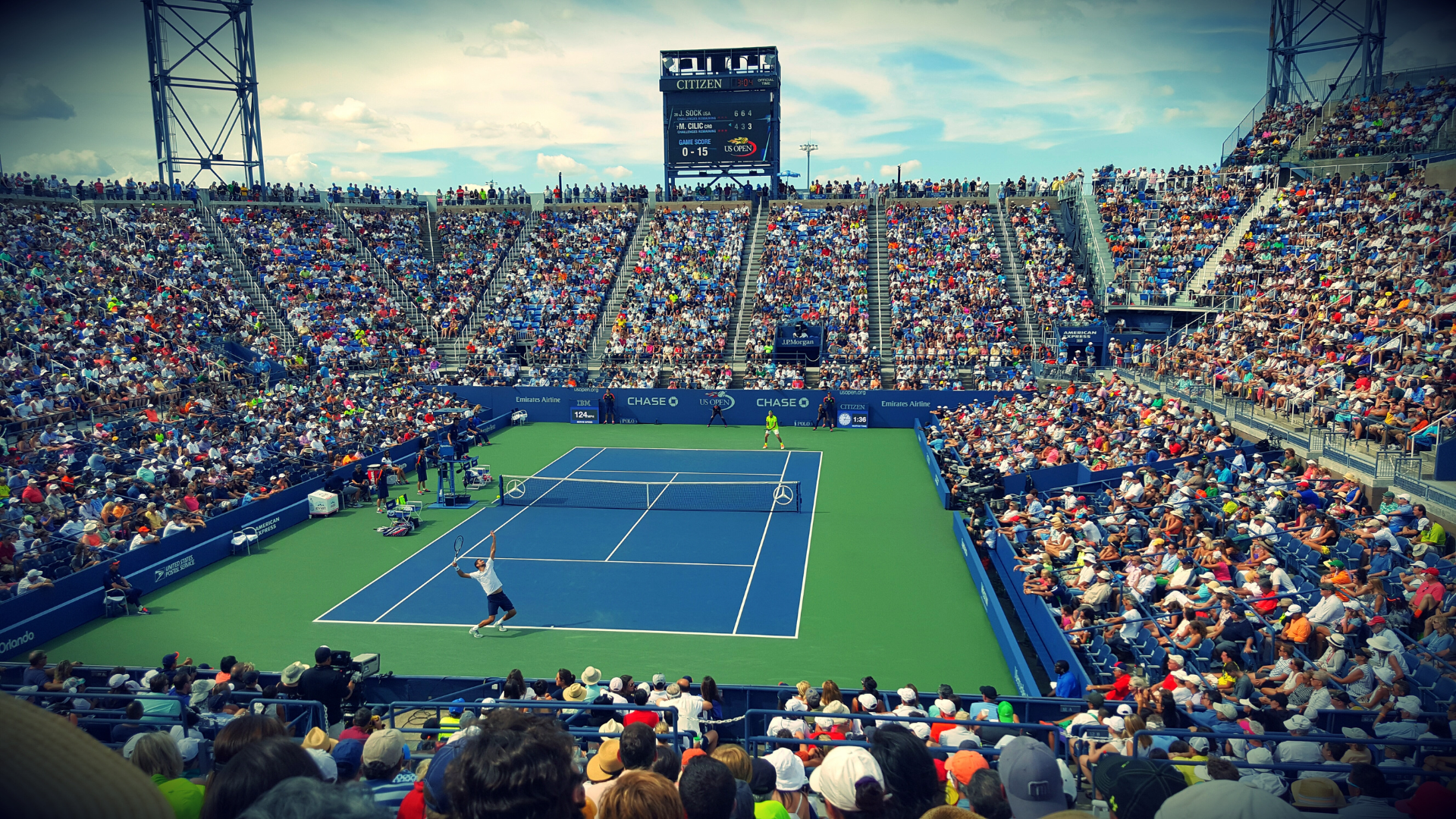
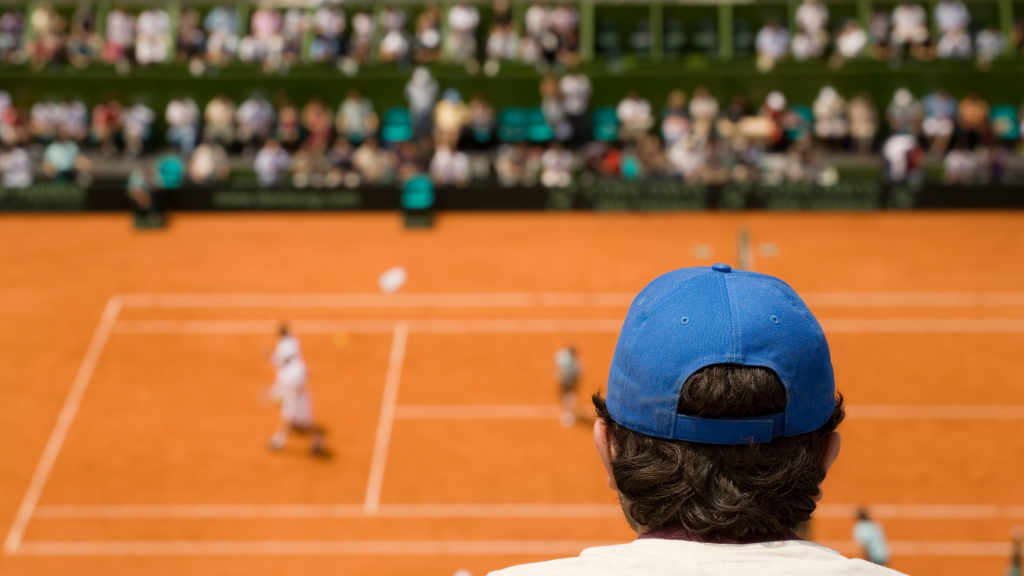
Held annually at the USTA Billie Jean King National Tennis Center in Flushing Meadows, the tournament draws hundreds of thousands of fans and millions of viewers across the globe. The energy in iconic venues like Arthur Ashe Stadium and Louis Armstrong Stadium is unmatched, making it a bucket-list event for any tennis fan.
A Magnet for Tennis Fans
The Atmosphere
There is something magical about watching a match under the lights of Arthur Ashe Stadium. It’s not just the tennis—it’s the atmosphere. Fans from around the world come to the United States for the U.S. Open, creating a multicultural, electric vibe.
Star Power
The draw of top-tier players like Carlos Alcaraz, Rafael Nadal, and other ATP Tour and WTA Tour legends adds to the event’s allure. These stars not only compete for record-breaking prize money but also help create unforgettable moments that fans treasure.
Fan Week and Open Fan Week
The U.S. Open Fan Week, also known as Open Fan Week, is a major attraction. It offers free access to practice sessions, demos, and even smaller matches. Fans get the chance to see their favorite player up close and personal. It’s an interactive and immersive way to experience the sport.
A Hub for Experiential Marketing
The U.S. Open is a dream platform for brands looking to execute experiential marketing campaigns. With a diverse and passionate audience that spans continents, companies have a rare and powerful setting to connect with consumers on an emotional and sensory level. The environment is ideal for delivering memorable, hands-on brand experiences that go far beyond traditional advertising.
Throughout the grounds of the USTA Billie Jean King National Tennis Center, visitors are surrounded by carefully crafted activations that engage all the senses. Brands use this opportunity to test new ideas, roll out product innovations, and create genuine moments of interaction with their target audience.
Here are a few key strategies brands use to maximize their impact:
- Demos: Companies like Wilson, Head, and Babolat provide hands-on demos where fans can try out the newest rackets, balls, and gear. These experiences help create tangible connections between fans and products, boosting brand loyalty.
- Face-to-Face Marketing: Brand representatives actively engage with fans, answering questions, offering product samples, and guiding them through new services or technologies. This approach turns casual interest into long-term engagement.
- Brand Ambassadors: Trained ambassadors roam the venue, offering giveaways, capturing social media content, and leading interactive games or challenges. Their personal touch helps humanize the brand and increase its visibility throughout the tournament.
- Influencer Programs: Social media influencers and content creators are invited to attend matches, visit sponsor lounges, and share their behind-the-scenes experiences with massive online audiences. Their posts often go viral, multiplying the brand’s reach far beyond the stadium.
Many sponsors build immersive installations—pop-up lounges, tech showcases, or branded cafes—that allow fans to escape the summer heat while connecting with a brand in a meaningful way. These activations often include touchscreen experiences, augmented reality games, photo booths, and even meet-and-greets with tennis legends.
In short, the U.S. Open is more than a sports event—it’s a living showroom where experiential marketing thrives. The blend of passion, performance, and personal connection makes it one of the most valuable marketing platforms in the world of sport.
The Power of Open Sponsors
Sponsors play a crucial role in the success of the U.S. Open. Big-name brands are eager to be associated with a prestigious Grand Slam event. These partnerships are mutually beneficial:
- American Express offers cardholders exclusive perks and lounges.
- Emirates Airlines, a global brand, enhances its presence through immersive booths and promotions.
- Chase, IBM, and Rolex also leverage their roles as open sponsors to build deeper brand connections.
These activations are not just about visibility but also about creating lasting impressions with consumers. Sponsors invite their brand ambassadors to the event, they create content and spread campaigns, promote products and that drive people to their activities in the U.S. Open.
A Showcase for International Tennis
The U.S. Open is an ATP Tournament and WTA Tour event, drawing players and fans from across the globe. It highlights the international nature of the sport:
- United Cup and World Cup Comparisons: Like the United Cup in tennis or the FIFA World Cup in soccer, the U.S. Open celebrates international competition.
- Mubadala Citi DC Open: Events like the Mubadala Citi DC Open serve as warm-up tournaments and further extend tennis’ global footprint.
- International Tennis Hall of Fame: The global impact of the U.S. Open is reinforced by legends enshrined in the International Tennis Hall of Fame, many of whom made history in New York.
New York City: The Perfect Host
Few cities offer the vibrancy and energy of New York. Hosting the U.S. Open in New York City adds an extra layer of appeal for fans and sponsors alike.
Why NYC Works
- Accessibility: Major global hubs offer direct flights to NYC.
- Tourism: Visitors often combine their trip with sightseeing, making it more than just a sports vacation.
- Media Capital: New York is home to major media outlets, amplifying coverage on platforms like the Tennis Channel.
The Evolution of the Tournament
Since its early days, the U.S. Open has evolved with changing times:
- Technology: Digital screens, instant replays, and interactive fan zones.
- Prize Money: Increases in prize money reflect the tournament’s financial growth.
- Main Draw Changes: Expanded draws have allowed more players a chance to compete on the world stage.
Engaging the Modern Fan
Today’s fans crave more than just the match. They want experiences, engagement, and access that go beyond the traditional viewing experience. The modern tennis fan is digitally savvy, socially connected, and looking for more than just a seat in the stands—they want to feel like they’re part of the action.
How the U.S. Open Meets Expectations
Social Media
The U.S. Open shines on platforms like Instagram, TikTok, and X (formerly Twitter), where fans get real-time access to behind-the-scenes content, exclusive interviews, and fun moments from players like Carlos Alcaraz and others. Social Media Influencers and tennis content creators help amplify the event by sharing personal experiences, stadium tours, and meet-and-greets, drawing even more eyes to the tournament.
Live Entertainment
From pre-match concerts and fanfare to celebrity appearances and fireworks displays, the U.S. Open feels more like a festival than just a sporting event. Big-name artists and DJs have performed during Fan Week, turning the grounds into an entertainment hub that appeals to both hardcore tennis fans and casual visitors.
Interactive Zones
Spread throughout the USTA Billie Jean King National Tennis Center are interactive fan areas. These zones feature VR tennis simulators, trivia challenges, racket speed tests, and even kid-friendly play courts. Many zones are co-branded with sponsors like American Express or IBM, blending fun with innovation.
Second-Screen Experiences
Fans onsite and at home use apps and platforms like the Tennis Channel or USTA’s official app to follow scores, watch replays, and engage with stats in real time. Augmented reality features and fan polls enhance the viewing experience.
Merch and Personalization
Whether it’s custom apparel printing stations or exclusive merchandise drops, fans have more ways than ever to personalize their experience. It’s another way the U.S. Open keeps fans actively engaged instead of passively observing.
By prioritizing interactive, tech-driven, and socially shareable moments, the U.S. Open stays ahead of the curve when it comes to engaging the modern tennis fan.
A Platform for Tennis Growth
The U.S. Open isn’t just an end-of-summer celebration; it’s a powerful engine for growing tennis in the United States and around the world. From grassroots efforts supported by the United States Tennis Association to high-stakes matches in Arthur Ashe and Louis Armstrong Stadium, the tournament inspires the next generation.
Youth and Community Engagement
- Clinics and Demos: Offered during Fan Week.
- School Programs: Promoted by USTA.
- Charity Events: Linked with players and sponsors to give back.
Conclusion
The U.S. Open remains a cornerstone of the tennis world, not just because of the world-class talent it attracts, but because of how it seamlessly blends sport, culture, and business. Whether you’re a die-hard tennis fan, a global sponsor, or a curious tourist in New York City, the U.S. Open offers something unforgettable.
From face-to-face marketing and demos to brand ambassadors and influencer programs, the event has mastered the art of experiential marketing. It has earned its place not just as a Grand Slam event, but as a global celebration that brings the world to New York each year.
So the next time you tune in to the U.S. Open or walk the grounds of Billie Jean King National Tennis Center, remember you’re part of a tradition that unites fans and sponsors worldwide.
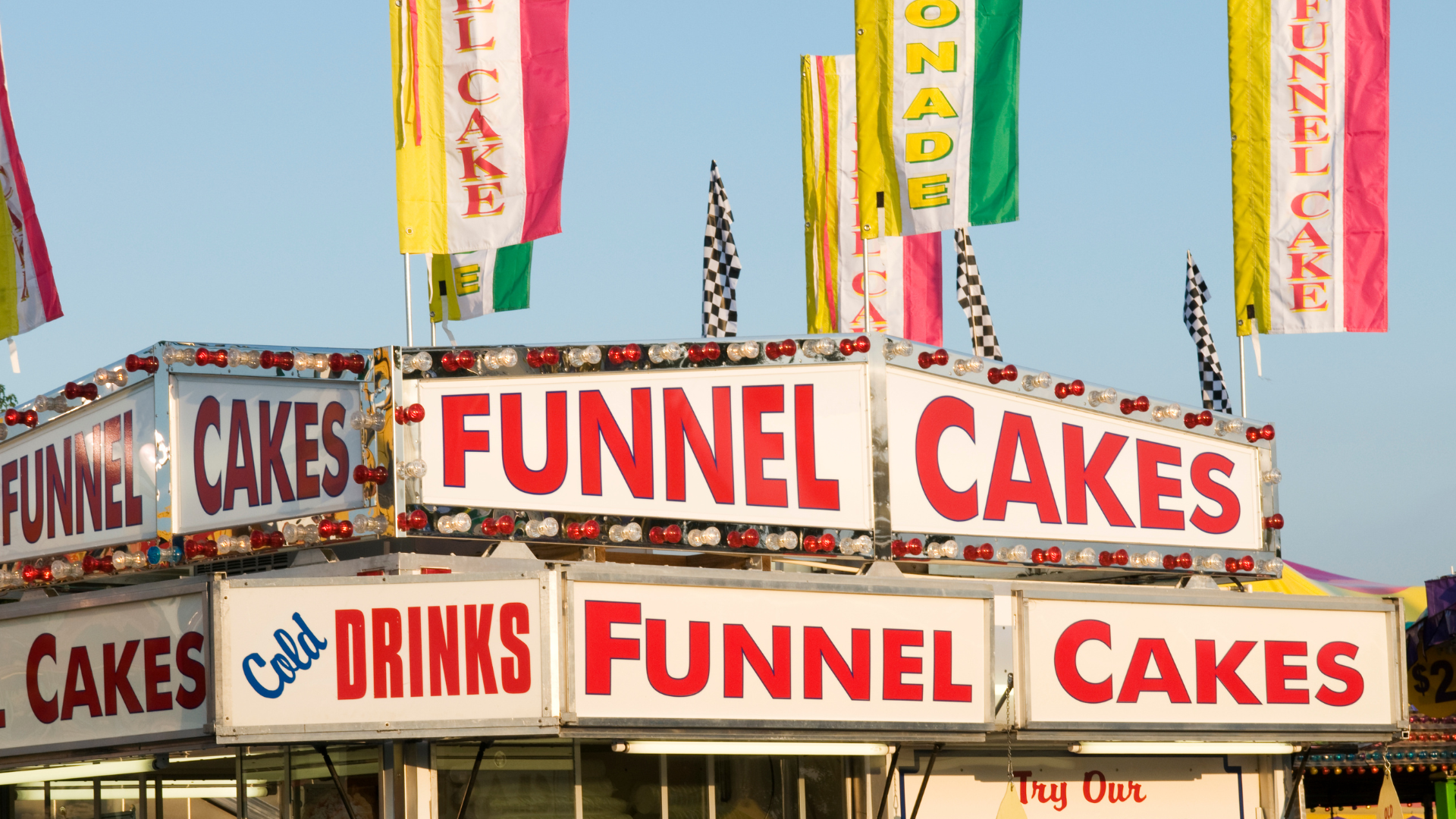
Each year, the Orange County Fair brings together an energetic mix of sights, color, food, music, and fun. It’s a Southern California life tradition filled with everything from carnival rides to deep-fried cookies. But behind the scenes of this bustling event is a carefully orchestrated system of planning, staffing, and operations.
Managing large-scale events like the OC Fair requires more than just vision—it demands a well-oiled staffing strategy. That’s where seasonal staffing solutions for events like the Orange County Fair come into play.
Whether you’re an event planning team, a Brand Ambassador manager, or a business looking to hire temporary help, this guide explores how event staffing works and how a key staffing agency can make all the difference.
Why the Orange County Fair Needs Specialized Staffing
The Orange County Fair draws millions of people each year, making it one of California’s largest and most beloved community events. With dozens of attractions, vendors, and activities running daily, staffing is both a logistical challenge and a growth opportunity.
Common Staffing Needs at Large Events:
- Ticketing and guest services
- Booth and store staff
- Food and beverage workers
- Brand Ambassadors
- Street team members for field marketing
- Clean-up and sanitation
- Set-up and tear-down crews
- VIP area and backstage support
- Promotional staff for influencer programs
Seasonal employees bring energy, flexibility, and local knowledge to help events like the OC Fair run smoothly.
What Is Seasonal Event Staffing?
Seasonal staffing solutions involve hiring workers for a limited timeframe, typically around peak seasons or special events. At an event like the OC Fair, seasonal workers may work for a few days, a few weeks, or the duration of the fair.
These roles are perfect for students, gig workers, retirees, and anyone seeking short-term income and exciting experience.
Benefits of Seasonal Staffing
- Flexible schedules
- Fun, dynamic work environment
- Networking and personal growth
- Exposure to the event planning industry
- Often includes perks like free fair access or meals
For employers, seasonal staffing provides scalability, allowing teams to grow quickly and efficiently during high-demand periods.
The Role of a Key Staffing Agency
Partnering with a key staffing agency is a smart move for any organization managing large events like the OC Fair. These agencies take on the heavy lifting—sourcing talent, conducting background checks, managing payroll, and even handling compliance forms.
Services Offered by Staffing Agencies
- Event staffing and recruitment
- Staff training and onboarding
- Application screening
- Reasonable accommodation support
- Performance tracking
- Uniform coordination
- Health and safety briefings
- Multilingual staff placement
Using an agency also ensures that you are meeting legal standards and creating a fair, equitable environment for all team members.
Finding the Right People
The success of your event relies heavily on the quality of your people. You need staff who are dependable, engaging, and ready to embody your event’s culture and spirit.
What to Look for in a Great Event Employee:
- Strong communication skills
- Experience in customer service or field marketing
- A positive attitude
- Reliability and punctuality
- Ability to work in a fast-paced environment
- Enthusiasm for California life and community spirit
Hiring for featured jobs such as lead Brand Ambassadors, team captains, or area supervisors? Look for individuals with leadership backgrounds and prior event planning experience.
Building a Brand Ambassador Team
A solid Brand Ambassador team can elevate the guest experience while increasing brand engagement. These staff are usually the face of your company—handing out samples, engaging with visitors, and promoting your offerings.
If you’re running a store, launching a new product, or doing targeted advertising at the fair, Brand Ambassadors and field marketing staff are essential.
Responsibilities Might Include:
- Engaging guests at booths
- Distributing flyers or cookies (yes, that happens!)
- Promoting a website or product
- Answering information requests
- Collecting personal information for leads or follow-up
Whether you’re hiring directly or using a key staffing agency, make sure your ambassadors receive proper training, support, and resources to succeed.
Volunteers and Support Staff
Not every role needs to be paid—many volunteers support event planning efforts, particularly for non-profit or community-led areas of the fair.
Volunteer roles may include:
- Assisting at information booths
- Helping guests navigate the fairgrounds
- Supporting sustainability efforts (recycling, clean-up)
- Managing forms and surveys
- Hospitality or first aid assistance
Just like paid staff, volunteers should be treated with respect and included in staff communications and safety briefings.
The Application Process: Steps and Tips
Recruiting seasonal staff involves a multi-step application process. Here’s a look at a typical hiring flow:
Promote the Opportunity
Post jobs on your website, job boards, and social media. Include clear details on roles, benefits, and expected hours.
Collect Applications
Use digital forms to gather basic personal information, availability, and prior experience.
Interview and Screen
Some positions may require interviews or skill checks. Others might need background checks or health clearances.
Provide Training
Once hired, new employees should go through orientation covering workplace expectations, safety, and customer interaction.
Onboard Staff
Finalize hiring paperwork, distribute uniforms, and ensure staff understand their shifts, supervisors, and responsibilities.
Resources for Applicants
For those applying to work at the Orange County Fair, here are a few helpful tips:
- Visit the fair’s official website for hiring info
- Look out for “featured job” listings for premium roles
- Be honest about your availability
- Be prepared for outdoor work and busy shifts
- Respond promptly to emails or calls
- Ask about training dates and uniforms
Applicants with disabilities should inquire early about reasonable accommodation options during interviews or event staffing.
Influencer Programs and Social Promotion
Want to drive buzz during the fair? Consider building an influencer program that leverages local social media stars to share real-time content, giveaways, or behind-the-scenes access.
Pair brand ambassadors with influencers for a seamless guest engagement strategy that combines physical and digital presence.
Use targeted advertising to boost influencer content and direct traffic to your website or sign-up forms.
Creating a Positive Culture
When staffing for large events, don’t underestimate the power of culture. A motivated and connected team makes for a better guest experience.
How to Build a Positive Team Culture
- Celebrate milestones (like busiest day of the week!)
- Encourage team bonding and communication
- Acknowledge hard work publicly
- Offer learning or career development opportunities
- Provide resources for stress management and safety
When team members feel valued, they’re more likely to deliver great service and return for future events.
Post-Event: Keep the Connection
Once the fair is over, stay in touch with your best workers and volunteers. This is an excellent opportunity to build a seasonal talent pool for future events or even offer year-round roles.
Post-Event Follow-Up
- Send thank-you notes or swag
- Invite feedback on the experience
- Let them know about future job opportunities
- Share event photos or recap videos on your website
- Encourage them to reapply next year
Your best employees are often those who’ve already worked with you and want to come back.
The Smart Way to Staff Events Like the OC Fair
The Orange County Fair is a dynamic, fast-paced event that reflects the best of California life—but its success depends on the people behind the scenes. Whether you’re hiring volunteers, building a Brand Ambassador team, or running an influencer program, the right staffing approach is key.
By using seasonal staffing solutions for events like the Orange County Fair, working with a key staffing agency, and following a thoughtful event planning process, you can ensure a smooth, exciting experience for both staff and guests.
Don’t forget to build a positive culture, provide proper resources, and keep your standout team members engaged for future opportunities.
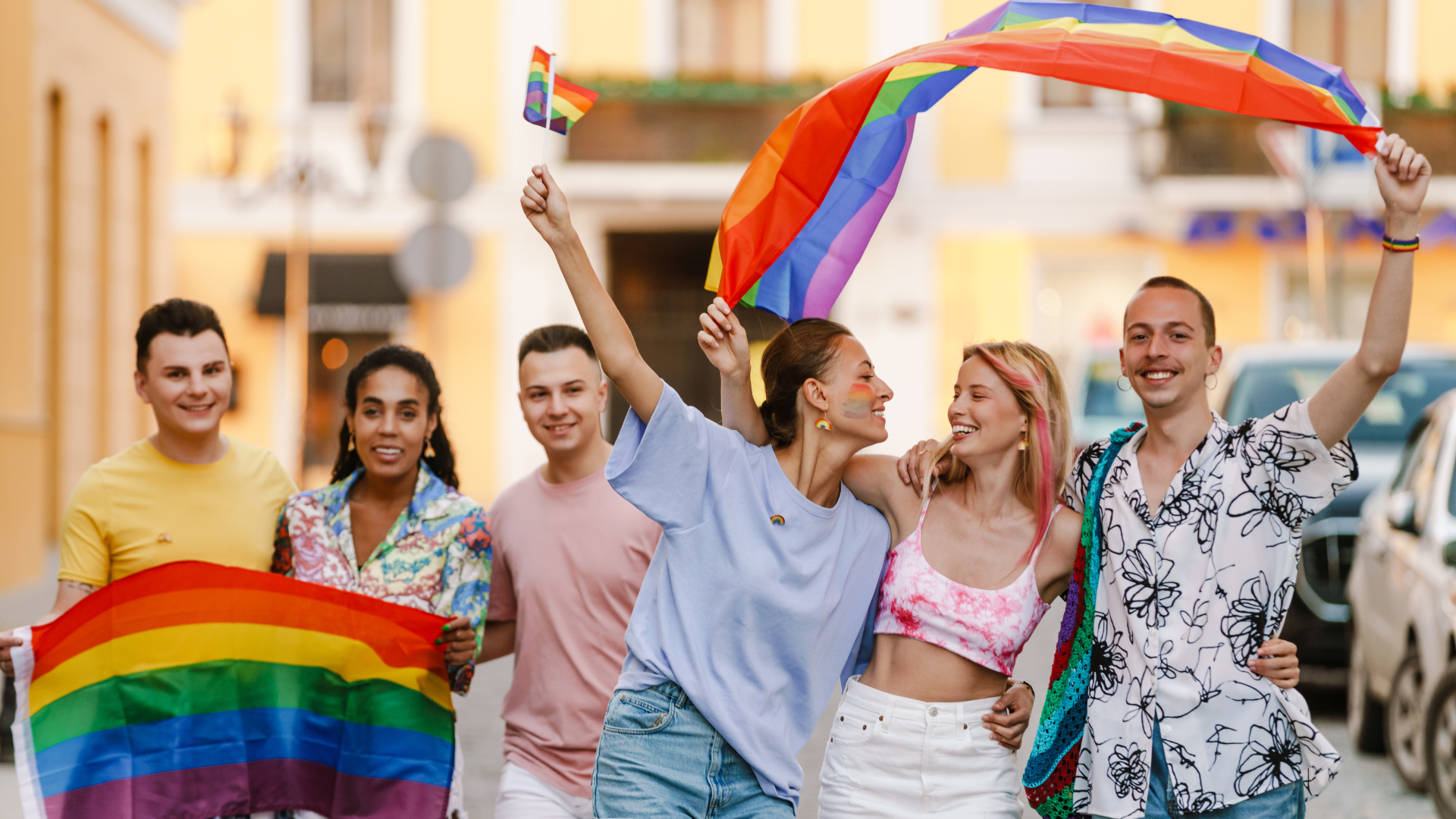
Every June, the streets of San Francisco explode with color, music, and love as SF Pride takes over the city. What started as a protest has evolved into a powerful celebration of LGBTQ history, strength, and resilience. With millions in attendance and a global spotlight, the San Francisco Gay Pride Parade presents an unparalleled opportunity for brands to connect with the LGBTQ community in meaningful ways.
If you’re wondering how to engage your brand at San Francisco Pride, this comprehensive guide will walk you through strategic, authentic, and impactful ways to do just that.
Why San Francisco Pride Matters
San Francisco isn’t just a city—it’s a symbol of visibility, inclusion, and progress for LGBTQ people everywhere. The Pride Parade began in the wake of the 1969 Stonewall Inn riots and has since grown into one of the most recognized Pride festivities in the world.
From the Dyke March to rallies at Golden Gate Park, SF Pride isn’t just a party—it’s a tribute to decades of trans activism, LGBTQ history, and the continuing fight for equality.
The Business Case for Pride Engagement
Engaging your brand at Pride isn’t just good ethics—it’s smart, forward-thinking business. Today’s consumers, especially younger generations, expect the brands they support to take a stand on social issues and demonstrate real values. Pride provides a highly visible opportunity to do exactly that.
Why brands show up:
- Reach a massive, engaged audience (millions attend SF Pride each year)
- Align with progressive, inclusive values that reflect your customer base
- Boost brand visibility during a major Pride event
- Create emotional connections with the LGBTQ community that foster lasting loyalty
Incorporating Pride into your marketing efforts also helps attract diverse talent, strengthen employee engagement, and demonstrate corporate social responsibility. However, it’s not about slapping a rainbow on your logo for the month of June and calling it a day.
Authenticity, thoughtful strategy, and meaningful community partnerships are key. Show that your commitment goes deeper than surface-level branding—support LGBTQ causes, hire inclusively, and engage with Pride as a celebration of identity, history, and progress.
Key Ways to Engage Your Brand at San Francisco Pride
Let’s break down actionable steps on how to engage your brand at San Francisco Pride effectively and respectfully.
Start With a Brand Ambassador Program
A strong brand ambassador program is the backbone of field marketing during large events like SF Pride.
What they do:
- Represent your brand on-site
- Hand out samples
- Interact with attendees
- Generate social media content
Tip: Recruit LGBTQ people as Brand Ambassadors. Representation matters, and authenticity is everything at Pride.
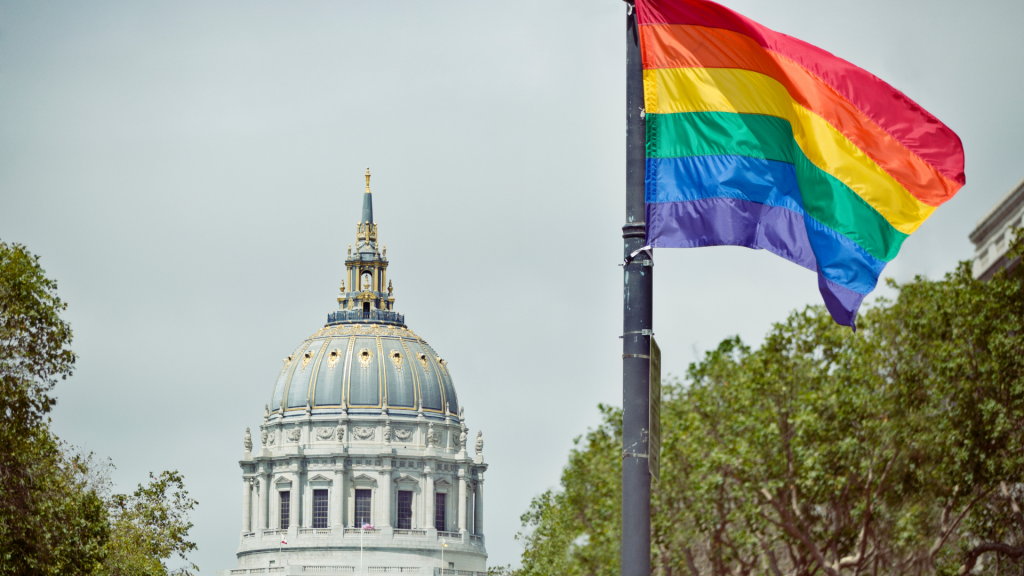
Leverage Influencers for Social Reach
Partner with active influencers in the LGBTQ community. These creators already have strong relationships with their followers, often built on authenticity, shared values, and lived experiences. Collaborating with them allows your brand to amplify its Pride message with genuine credibility, helping you reach audiences that traditional advertising might miss.
Strategies:
- Invite them to your Pride float
- Offer exclusive product drops or early access
- Co-create content around your Pride campaign
- Host a Pride-themed influencer meetup or brunch
Make sure your partnerships reflect diversity across the spectrum—trans, nonbinary, BIPOC, and disabled voices should all be represented. Consider long-term collaborations, not just one-time posts, to build deeper brand alignment and community trust.
Don’t limit your influencer pool to San Francisco—include voices from Los Angeles, New York, Chicago, Atlanta, and beyond to expand your national presence and reach different corners of the LGBTQ community. A well-executed influencer campaign can make your Pride efforts go viral while staying grounded in purpose and inclusion.
Use Product Sampling to Make a Splash
Product sampling is a classic field marketing strategy—and it works wonders during Pride festivities. Whether you’re a beverage brand handing out chilled drinks, a snack company offering bite-sized treats, or a beauty brand giving away mini lip glosses and skincare sachets, free samples grab attention and create memorable moments.
Why it works:
- Generates word-of-mouth buzz
- Lets people experience your product firsthand
- Makes your brand part of the celebration
Sampling is more than just distribution—it’s engagement. People are more likely to stop, smile, and connect when they’re handed something fun, useful, or delicious. Even better, these small interactions often lead to organic social media shoutouts, increasing your brand’s reach well beyond the event.
Pro tip: Pair sampling with branded balloons, colorful packaging, giveaways, or interactive photo booths for maximum visibility and engagement. Make it fun, make it shareable, and make sure your team is enthusiastic and inclusive—because great energy is contagious.
Staff Up With Event Experts
Event staffing can make or break your Pride activation. The people representing your brand on the ground are your frontline storytellers—they create the first impression, spark conversations, and embody your values. That’s why building the right team is crucial.
Your street team should be energetic, inclusive, and trained to engage with all attendees in a way that reflects empathy, enthusiasm, and understanding of the LGBTQ community.
Consider hiring:
- Brand Ambassadors
- Sampling specialists
- Lead generators
- Logistics coordinators
- Crowd engagement pros
Choose individuals who are outgoing, culturally aware, and passionate about Pride festivities. Representation matters, so wherever possible, include LGBTQ team members who can bring lived experience to your presence at SF Pride.
Train your staff not only on brand messaging but also on the history and significance of Pride—from the Stonewall Inn to the ongoing fight for trans rights and equality. This ensures they’re not just there to party, but to uplift the moment, celebrate the progress, and honor the resilience and strength of the community.
Where to Show Up During SF Pride
Timing and location are everything. Let’s look at where and when to engage.
The Parade – Sunday Showstopper
The San Francisco Pride Parade happens on the last Sunday in June. This is your biggest visibility opportunity.
Must-dos:
- Design a float that tells a story
- Involve volunteers from within your company
- Include branded signs, balloons, and giveaways
Pro tip: Secure your spot early. Space is limited and demand is high.
The Dyke March – Saturday Powerhouse
Held the Saturday before the parade, the Dyke March in the Mission District is a grassroots event focused on lesbian, queer, and trans visibility.
It’s a powerful opportunity to show your support in a more activist-focused setting.
Civic Center and Golden Gate Park – Festival Grounds
The Pride Festival spans several blocks and culminates near Civic Center Plaza, often including events at Golden Gate Park.
Set up a booth here to:
- Showcase products
- Offer interactive experiences
- Meet potential customers
Best Practices for Pride Engagement
Let’s keep it real—there’s a right and wrong way to do Pride. Here are best practices to keep your brand on the right side of history.
Be Authentically Inclusive
If your brand is new to LGBTQ outreach, don’t let Pride be the only time you show up. Support queer causes year-round and reflect inclusivity internally.
Collaborate With Organizers
Work with SF Pride organizers to ensure your participation aligns with community values. They can guide you on logistics, tone, and even connect you with local nonprofits.
Include Your Employees
Encourage employee involvement by recruiting internal volunteers. Marching in the parade or staffing a booth is a fun, meaningful way to show support.
Share the Spotlight
Highlight LGBTQ members of your team, customers, or community partners in your content. Center their voices, not just your brand.
Reflect on Pride’s Roots
Remember: Pride started as a protest. Honor that by amplifying messages of resilience, equality, and justice.
Spotlight: How National Brands Do It Right
Big-name companies from New York, Los Angeles, and San Francisco are already leading the way. Let’s look at a few examples:
Nike
- Hosts Pride-themed workout events
- Features trans and nonbinary athletes
- Supports year-round LGBTQ organizations
Absolut
- Offers product sampling during Pride events
- Sponsors Pride parades nationwide
- Invests in creative storytelling campaigns centered on queer voices
- Supports LGBTQ employee groups
- Uses their Pride float to spotlight tech accessibility
- Partners with local organizers
These brands understand that Pride isn’t just a marketing opportunity—it’s a movement.
The Impact of Visibility
Your presence at San Francisco Pride can have a powerful ripple effect:
- Helps attendees feel seen
- Sparks conversations about inclusion
- Encourages other companies to follow your lead
When you show up right, you strengthen your relationship with the LGBTQ community while staying aligned with the true spirit of Pride.
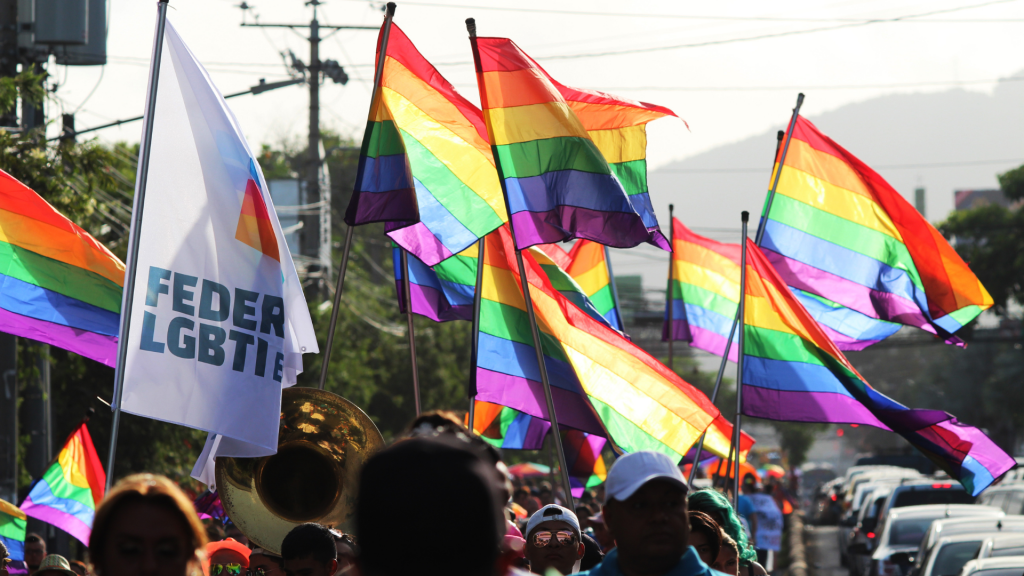
After the Parade: Keep the Momentum Going
Don’t let your efforts fizzle out after Sunday. While the San Francisco Pride Parade may be the highlight, your brand’s commitment to the LGBTQ community shouldn’t stop there. The most impactful Pride campaigns are those that extend beyond the event and into everyday action.
Extend your engagement with:
- Recap videos featuring your Brand Ambassadors, showing authentic moments from your Pride experience
- Donation matches for LGBTQ nonprofits to demonstrate long-term support
- Behind-the-scenes interviews with influencers, team volunteers, and community members
- Post-event blog articles that reflect on what your brand learned and how you’ll continue supporting LGBTQ initiatives
Keep the conversation alive by sharing user-generated content, reposting stories from attendees, and thanking your partners and staff publicly. Highlighting real people and real experiences helps foster community trust and deepens brand loyalty.
Make June a launchpad—not a one-off campaign. Pride is a powerful annual moment, but your allyship can (and should) be a year-round effort.
Conclusion: More Than Marketing
Engaging your brand at San Francisco Pride is more than just a chance to increase visibility—it’s a moment to stand for strength, resilience, and love.
From well-executed field marketing and product sampling to heartfelt storytelling and inclusive Brand Ambassador programs, your brand can be a force for good—while also reaching new customers and building lasting loyalty.
So, if you’ve been wondering how to engage your brand at San Francisco Pride, the time is now. Plan ahead, show up thoughtfully, and make your mark during one of the most powerful celebrations on Earth.
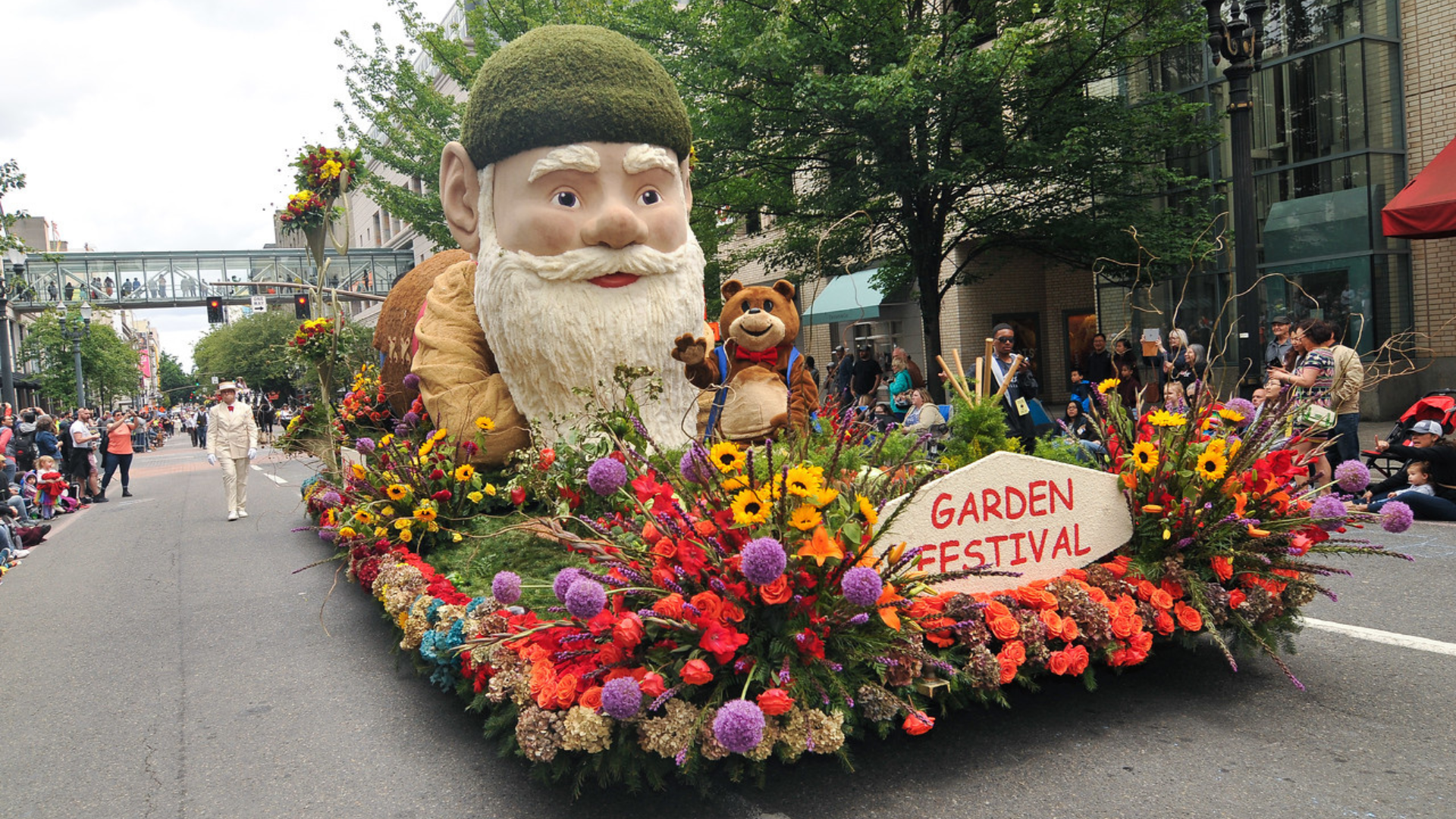
The Portland Rose Festival is more than just a springtime celebration—it’s a citywide tribute to community, culture, and creativity. Drawing hundreds of thousands of attendees to downtown Portland and beyond, the rose festival showcases everything from live music and food vendors to the iconic Grand Floral Parade and the Oregon Starlight Parade. Hosting such a sprawling, multi-day cultural festival requires expert event planning, strong key staffing, and an understanding of the city’s diverse cultural heartbeat.
In this guide, we’ll dive into what makes the Portland Rose Festival and similar cultural festivals thrive, while offering actionable tips for anyone planning a major event.
Understanding the Portland Rose Festival
Each year, the Portland Rose Festival brings together a mosaic of events that highlight the spirit of Rose City. Anchored by traditions like the Grand Floral Parade, Junior Parade, and Spring Rose Show, the festival transforms downtown Portland and areas like Tom McCall Waterfront Park into hubs of celebration.
Grand Floral Parade
The Grand Floral Parade stands as the crown jewel of the Portland Rose Festival. It features elaborately designed floats covered in thousands of real flowers, marching bands from across the nation, equestrian teams, and of course, the Rose Festival Queen. This parade draws massive crowds and media attention, serving as a visual and symbolic celebration of Portland’s heritage and cultural pride.
Starlight Parade
The Oregon Starlight Parade brings a unique glow to the streets of downtown Portland with its nighttime flair. Floats and performers are adorned with lights, and the event boasts an upbeat, party-like atmosphere. It’s a favorite among locals and visitors alike, offering a less traditional but equally engaging parade experience under the stars.
Junior Parade
Perfect for families and young children, the Junior Parade is one of the most charming aspects of the festival. It’s designed to encourage youth participation, featuring children marching in costume, school bands, and community youth groups. This parade not only fosters creativity but also strengthens community ties by spotlighting Portland’s youngest residents.
Carnival Rides and Food Vendors
At the heart of Tom McCall Waterfront Park, festivalgoers will find classic carnival rides and a diverse selection of food vendors. From Ferris wheels and spinning teacups to churros, elephant ears, and artisan eats, this area is especially popular with families. The vibrant atmosphere makes it a must-visit zone, blending nostalgia with modern food trends.
Live Music
Music is a major pillar of the Rose Festival’s entertainment lineup. Multiple stages host performances from local Portland talent to nationally recognized acts, showcasing everything from jazz and folk to pop and rock. The live music element ties the festival together and invites attendees to dance, relax, or simply soak up the sounds of summer in Rose City.
Event Planning for Multi-Day Festivals
Planning a cultural festival like the Portland Rose Festival starts with a clear vision and a reliable roadmap. Below are essential components broken down for clarity and effective execution.
Venue Selection
Choosing the right locations sets the stage for a successful festival. Utilize high-traffic, picturesque spaces like Tom McCall Waterfront Park, Cathedral Park, Laurelhurst Park, and the Oregon Convention Center. Each venue offers unique advantages, from riverfront access to expansive green lawns ideal for parades and live music.
Permits and Licensing
Securing proper permits and licenses is a critical early step. Coordinating with Portland city authorities well in advance prevents last-minute issues and ensures that food vendors, alcohol sales, and street closures are legally compliant.
Programming
Your festival lineup should appeal to a broad audience. Include attractions such as food trucks, wine festival booths, botanical garden tours, and cultural activities similar to those found at Lan Su Chinese Garden. A diverse program keeps attendees engaged and coming back throughout the event.
Budgeting
Establish a realistic budget that covers all aspects—stages, sound systems, lighting, security, sanitation, and marketing. Detailed financial planning helps avoid overspending and allows room for unexpected costs or enhancements.
Logistics
Behind-the-scenes logistics can make or break the festival experience. Organize efficient transportation plans, clear directional signage, contingency measures for weather, and a robust waste management strategy to keep things running smoothly.

Key Staffing and Volunteer Opportunities
Behind every successful festival is a dedicated team of passionate individuals working behind the scenes. From high-level directors to on-the-ground volunteers, organizing staffing roles is essential for delivering a smooth, enjoyable experience for attendees.
The Portland Rose Festival thrives thanks to well-coordinated teams and meaningful volunteer engagement. By identifying the most critical roles early and actively recruiting community involvement, organizers can ensure all festival components—from parades to live music—run like clockwork.
Essential Roles
Event Directors
Their goal is to oversee planning and coordination. These individuals take charge of the festival’s overall vision, ensuring that every department and activity aligns with the core mission. They are the problem-solvers who step in when quick decisions are needed and ensure compliance with timelines and city regulations.
Volunteer Coordinators
Their goal is to recruit and manage help. Coordinators manage schedules, train volunteers, and make sure all tasks—from manning booths to helping with cleanup—are covered. Their role is also vital for creating a positive and welcoming environment that keeps volunteers coming back year after year.
Security and Safety Teams
Their goal is to protect attendees. These teams work closely with local police and fire departments to ensure that every festival zone is safe. From managing crowd control during the Grand Floral Parade to monitoring emergency protocols, they are key to maintaining peace of mind.
Stage and Technical Managers
Their goal is to run performances smoothly. They coordinate with performers, manage audio/visual systems, and resolve any tech glitches. Their work ensures a seamless experience for artists and audiences alike.
Vendor Liaisons
Their goal is to coordinate food vendors and product booths. These liaisons handle communication between the festival and vendors, assist with setup, and enforce health and safety standards. They help ensure that the food and shopping experience is as smooth and enjoyable as the entertainment.
Recruiting Volunteers
Tap into Portland’s active community for help. Volunteers are the heartbeat of the Portland Rose Festival, contributing time, energy, and enthusiasm that elevate the event.
- Partner with schools, local nonprofits, and organizations like the Portland Rose Festival Foundation. These connections not only provide access to eager volunteers but also foster a greater sense of civic involvement. Students may also gain service hours or resume experience.
- Offer perks like free admission, festival merchandise, or meals. These incentives help draw more applicants and show appreciation for their efforts. Creating a rewards system, such as a “Volunteer of the Day” feature or a thank-you party, boosts morale and strengthens community ties.
- Provide flexible shifts to encourage sign-ups. Many people want to help but can only spare a few hours. Making volunteer opportunities more accessible—especially for families, working professionals, and retirees—can significantly widen your pool of applicants.
- Create clear, engaging outreach campaigns. Use social media, local radio, and community bulletin boards to promote opportunities. Highlight stories of returning volunteers to inspire others and emphasize how even a small contribution can have a big impact on the success of the festival.
Cultural Diversity and Inclusion in Festival Programming
Modern cultural festivals like the Portland Rose Festival aim to reflect the diversity of the city. Representation and inclusion matter:
- Feature acts from Portland Pride, Cathedral Park Jazz Festival, Portland Jazz Festival, and the Portland Book Festival.
- Celebrate cultures with performances, food, and crafts from various backgrounds.
- Involve institutions like the Portland Art Museum and Portland Film Festival to add depth.
Emerging Trends in Festival Planning
To stay relevant and engaging, festival organizers are embracing an array of new strategies and innovations. Here are some of the most impactful trends shaping the future of cultural events like the Portland Rose Festival:
Sustainability Initiatives
Today’s attendees care about environmental impact. Festivals are adopting eco-friendly practices like banning single-use plastics, using compostable dishware, and encouraging recycling. Collaborating with green vendors and promoting alternative transportation options like bike parking or shuttle buses helps reduce the festival’s carbon footprint.
Digital Enhancements
Many festivals are investing in custom mobile apps that allow visitors to access real-time schedules, interactive maps, and exclusive content. QR codes on signage and vendor booths enhance convenience, while virtual reality (VR) and augmented reality (AR) installations offer immersive, tech-driven experiences.
Hybrid Event Models
Especially post-pandemic, many festivals are combining in-person events with live-streamed components. This dual approach allows for greater accessibility and a global reach, making it possible for those unable to attend in person to still experience performances, workshops, or panels.
Wellness and Mindfulness Zones
Events are increasingly incorporating dedicated areas for mental health and relaxation. These zones may feature yoga classes, guided meditation, hydration stations, or even quiet zones away from the crowds—perfect for recharging during a full day of festivities.
Community-Led Programming
Instead of top-down planning, some festivals are turning to local artists, cultural groups, and neighborhood organizations to curate portions of the event. This not only boosts authenticity but ensures programming reflects the community’s evolving interests and demographics.
Inclusive Branding and Representation
With diversity at the forefront, marketing and branding now aim to reflect the full spectrum of festivalgoers. This includes gender-inclusive language, showcasing diverse voices in promotional material, and amplifying BIPOC creators and performers.
Data-Driven Planning
Advanced analytics from previous years and real-time visitor data help planners optimize layouts, improve traffic flow, and customize future experiences based on actual audience behavior and feedback.
By incorporating these emerging trends, the Portland Rose Festival—and cultural festivals everywhere—can continue to grow while staying responsive to attendee expectations, technological advancements, and social consciousness.
Boosting Engagement with Live Music and Food
A festival without food or live music just isn’t the same. Elevate the experience with:
- Music Variety: Include genres from jazz (like the Portland Jazz Festival) to indie rock.
- Local Talent: Showcase artists from the region to build community pride.
- Diverse Cuisine: Bring in food vendors offering everything from street tacos to vegan treats and dishes inspired by the Wooden Shoe Tulip Festival and Feast Portland.
Making the Most of Portland Locations
The Rose Festival wouldn’t be the same without its stunning locations:
- Waterfront Park: The heart of the festival, also home to the Waterfront Blues Festival.
- Cathedral Park: A serene backdrop for performances and vendors.
- Botanical Garden and Lan Su Chinese Garden: Ideal for intimate, cultural programming.
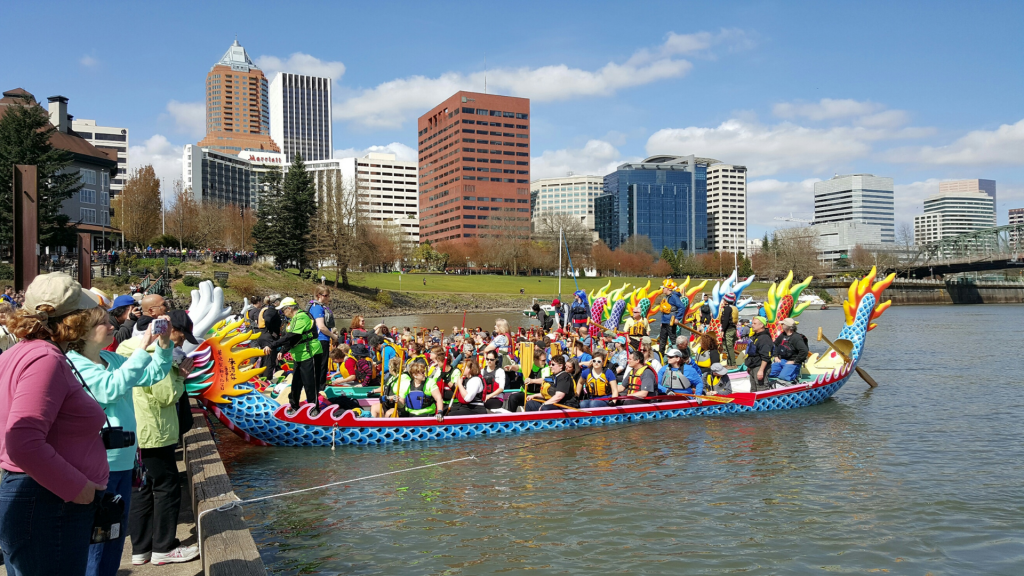
Lessons from Portland’s Other Festivals
Learn from how other local events like the Oregon Brewers Festival, Portland International Film Festival, and Portland Book Festival operate:
- Collaboration is key: Partner with local businesses and artists.
- Flexibility: Be ready to pivot if weather or turnout shifts.
- Audience-first mindset: Tailor activities to appeal to families, tourists, and lifelong residents.
Final Thoughts on Hosting Successful Cultural Festivals
The Portland Rose Festival exemplifies how a cultural festival can bring people together, celebrate community, and promote the arts. From the dazzling parades to the thriving vendor booths and vibrant music stages, it showcases what’s possible when great event planning and cultural pride unite.
Whether you’re planning a similar celebration in another city or dreaming of expanding your own local event, let the rose festival inspire your next big idea.